August 3, 2026
Do you need to know how to pose? Boudoir posing and direction in Dallas
Worried you cannot pose? Here is how boudoir posing and direction actually work at our Dallas studio, so you never have to guess in front of the camera.
By Jennifer Marilyn
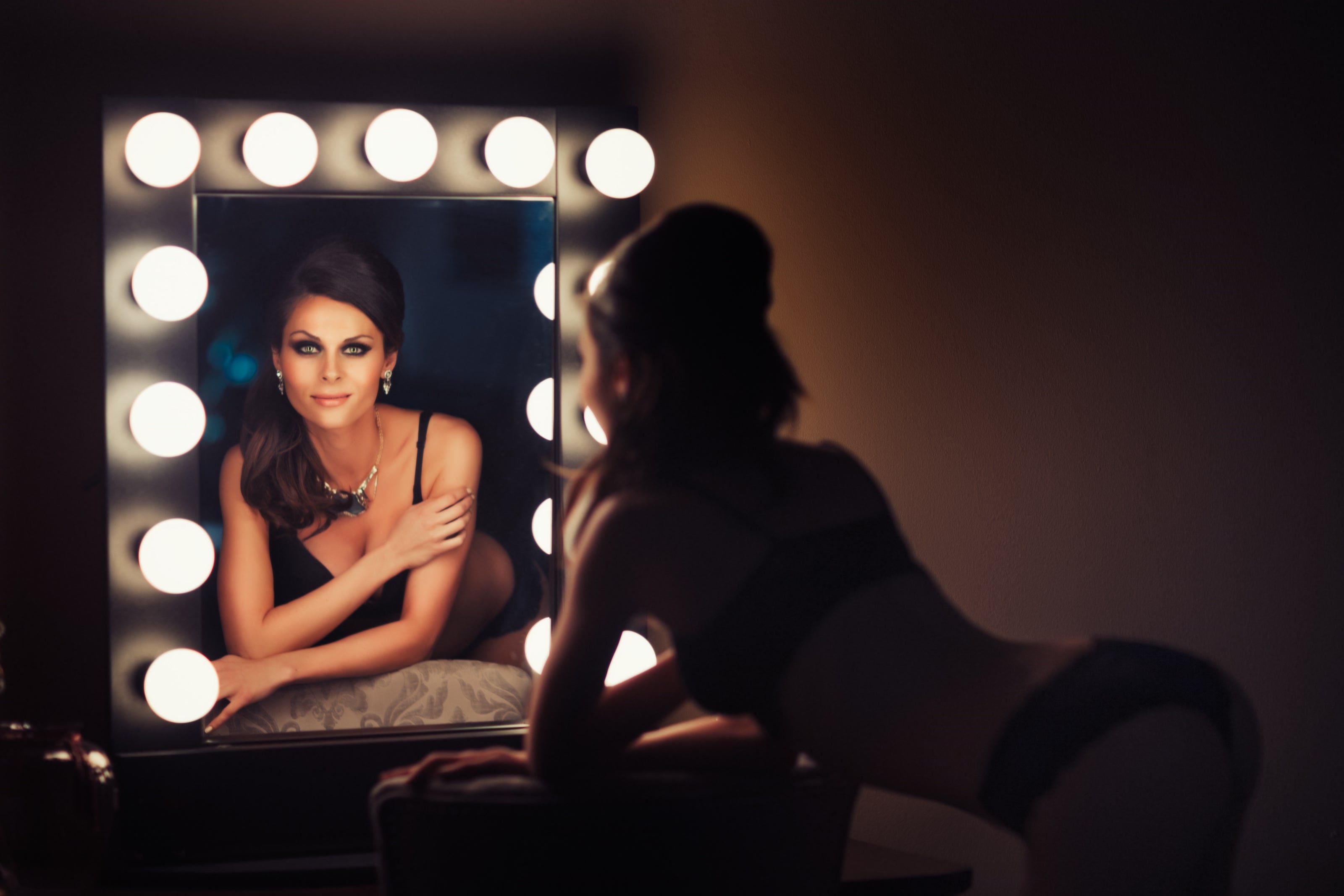
The single most common thing women tell me before a Dallas boudoir session is not that they are worried about the outfits or the price. It is that they have no idea how to pose. They picture arriving at the studio, standing in the middle of the room, and being asked to somehow look natural while a stranger watches. If that is the fear sitting in the back of your mind, this post is for you, because boudoir posing is not something you are expected to walk in already knowing. It is the part of the job I am there to handle.
Let me be direct about it. You do not need to know how to pose. Not one bit of it. In eight years of photographing people, I have never once had a client who arrived already knowing what to do with her hands, and I would be a little suspicious of a studio that expected you to.
How boudoir posing actually works in the studio
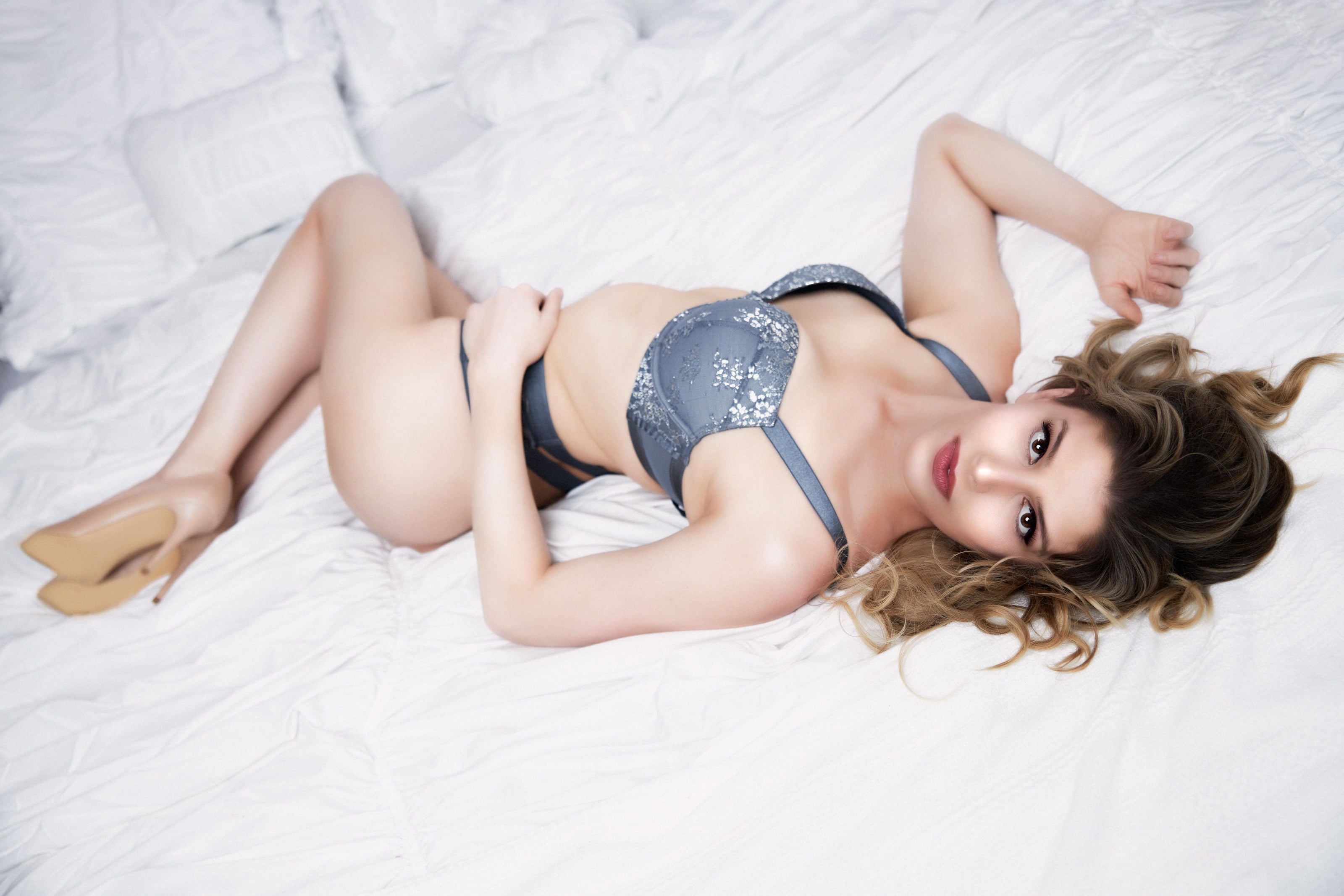
Here is what the moment actually looks like, because the imagined version is always worse than the real one. You are not dropped into an empty room and told to perform. Posing at our McKinney studio is built one small adjustment at a time. I start you in a simple, comfortable position, often seated or leaning, and then I direct in inches. Chin down a touch. Weight into the back hip. Let the front shoulder drop. Slow breath out. Each instruction is tiny and specific, and you only ever have to think about the one thing I just said, not the whole picture.
That is the difference between direction and posing. Posing sounds like something you are responsible for inventing. Direction is me telling you exactly what to do with your body, in the right order, so that all you have to do is follow along. You will never be standing there guessing. If you can follow a simple instruction like turn your head toward the window, you already have everything you need.
There is also a rhythm to it that most people do not expect. We do not nail a shot and move on. We build a pose and then move through a series of small changes inside it, so a single setup produces ten or fifteen genuinely different frames. That takes the pressure off any one moment. You are not trying to hit a perfect pose on command. You are moving slowly through a lot of them, and I am watching for the ones that work.
Why the fear is so common, and why it fades
The nerves around posing come from a real place. Most of us only ever see ourselves in phone selfies and the occasional group photo where we did not like how we looked. So the brain assumes a professional session will feel like that, only more exposed. The truth is closer to the opposite. A phone photo is you posing yourself with no help. A boudoir session is the one time you have someone whose entire job is to make sure the angle, the light, and the position are working for you.
The nervousness almost always fades faster than clients expect. Somewhere around the third or fourth setup, the guessing stops, because you have felt it work. You have seen a frame or two on the back of the camera, you understand the pattern of small directions, and your shoulders come down. I write more about that arc in what the nerves actually feel like for a first session, because posing worry and first-session nerves are really the same fear wearing two different coats.
What good direction pays attention to
Flattering posing is not a bag of tricks. It is a handful of fundamentals that I am tracking the whole time so you do not have to.
The angle between you and the lens. Turning slightly away from the camera and bringing one shoulder forward does more for a photograph than any amount of sucking in. I set that angle for you.
Where the weight sits. Shifting your weight off the leg closest to the camera creates a natural line through the hip. It feels like almost nothing when you do it and it changes everything in the frame.
Hands and jaw. These are the two places tension hides. Relaxed, slightly separated fingers and a jaw that is gently extended read as ease. I will cue both, often more than once, and that is normal.
Breath and micro-movement. The best frames usually come on an exhale or in the half-second after a small movement, not in a held, frozen pose. So I keep you moving in tiny ways rather than asking you to freeze and hold.
None of that is something you memorize beforehand. It is my checklist, running quietly in the background while you follow one simple cue at a time.
Posing changes with the kind of session
The way we direct shifts depending on what you booked. A classic boudoir session leans into soft, approachable posing, the kind that feels like you on a very good morning. A fine art boudoir session uses more sculptural, deliberate shapes, with light and shadow doing more of the work, so the direction gets more precise and the pace slows down. Neither one asks more of you in terms of prior knowledge. They just ask for slightly different things in the moment, and I adjust the direction to match.
Body type does not change whether posing works either. Every body has angles and lines that photograph beautifully. Finding them is my job, and it is a large part of what you are actually hiring a photographer to do.
What you can do to make it easier
You do not need to practice posing in the mirror, and I would gently steer you away from arriving with a folder of screenshots you feel you have to recreate. A couple of reference images are helpful for showing me the general mood you are drawn to. Twenty of them tend to turn into a checklist that pulls you out of the moment.
The things that genuinely help are simpler. Come rested. Eat something beforehand. Trust that the session day is structured to carry you, from the moment you arrive through hair and makeup, which is available as an option, into the shooting itself. If you want the full pre-session rundown, how to prepare for a boudoir shoot walks through the practical pieces. The posing itself is the one part you can safely hand to me completely.
The short version
Nobody arrives knowing how to pose. That is not a gap in your preparation, it is the entire reason a photographer exists. You will be directed in small, clear steps, you will move rather than freeze, and the nerves will lift once you feel it working. If you have been holding off on booking because you are convinced you are not photogenic or you will not know what to do, that conviction is the most ordinary thing in the world, and it is not a reason to wait.
If you are considering a session anywhere across Dallas and the wider DFW area, I would love to hear what you have in mind. Send us an inquiry and we can talk through the details, answer the posing question in your own words, and find a date that works.