September 21, 2026
What to do with your boudoir photos after the session: the album, the wall, and the files
After a Dallas boudoir session, where do the images actually go? A straight guide to albums, wall art, digital files, and keeping them private at home.
By Jennifer Marilyn
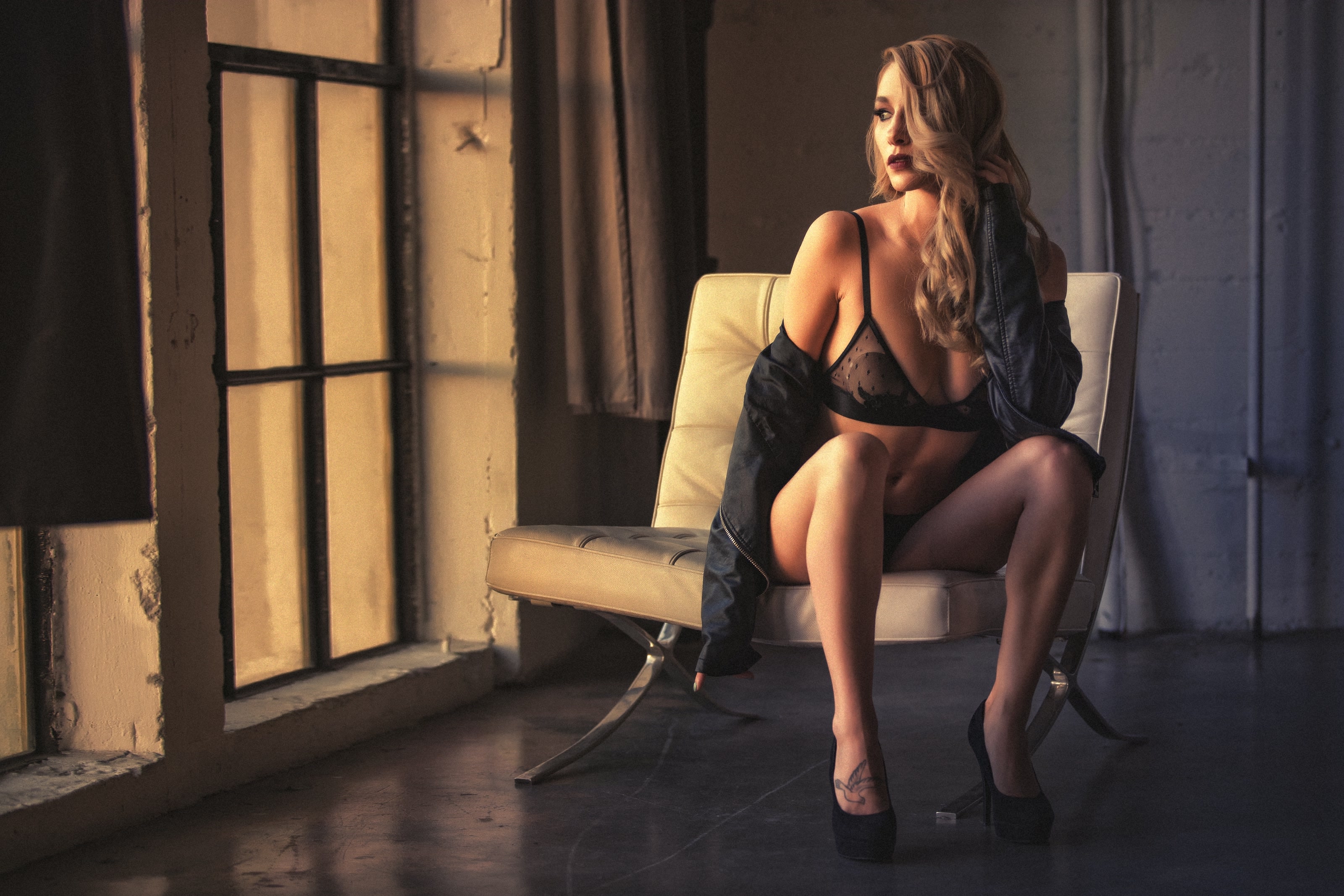
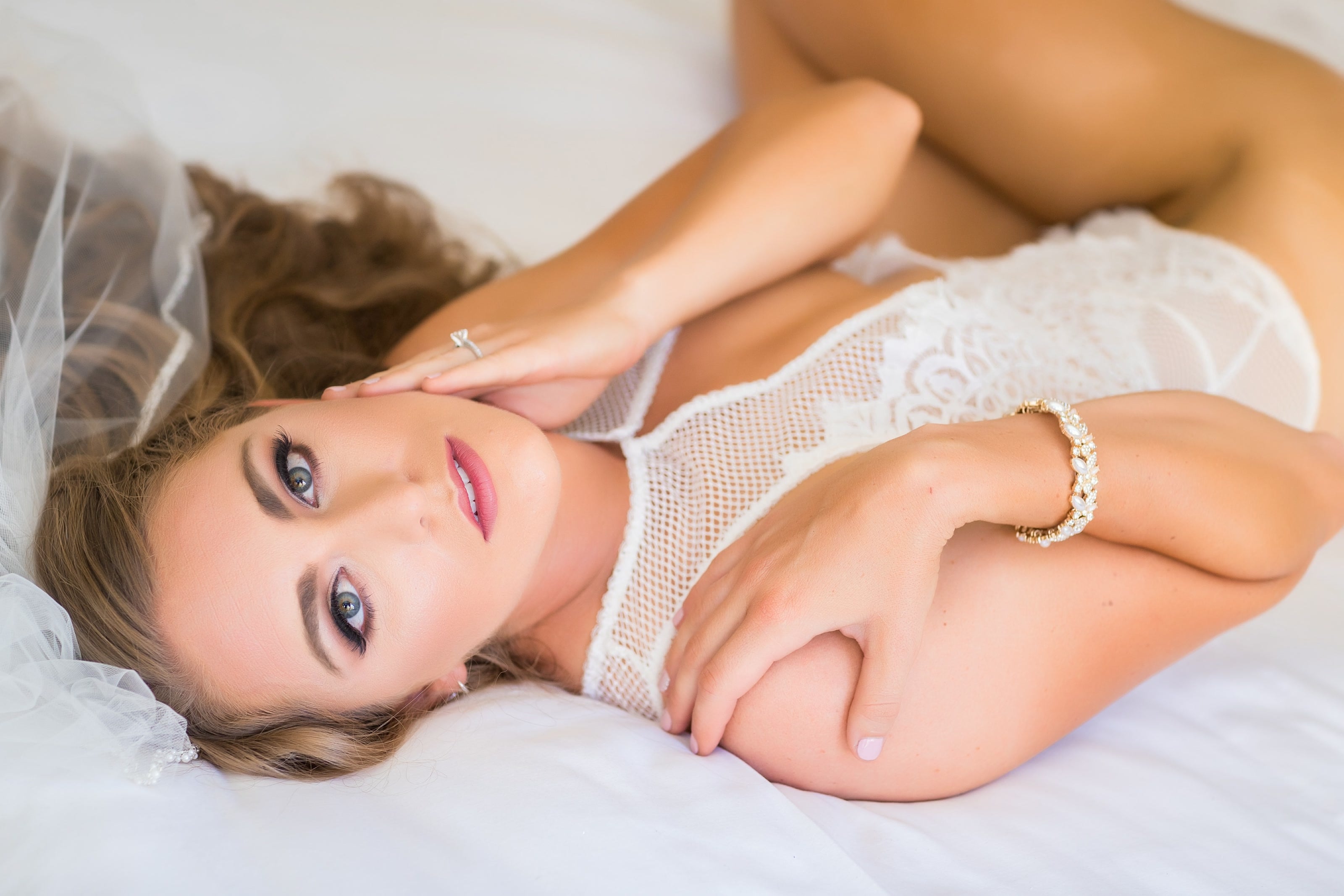
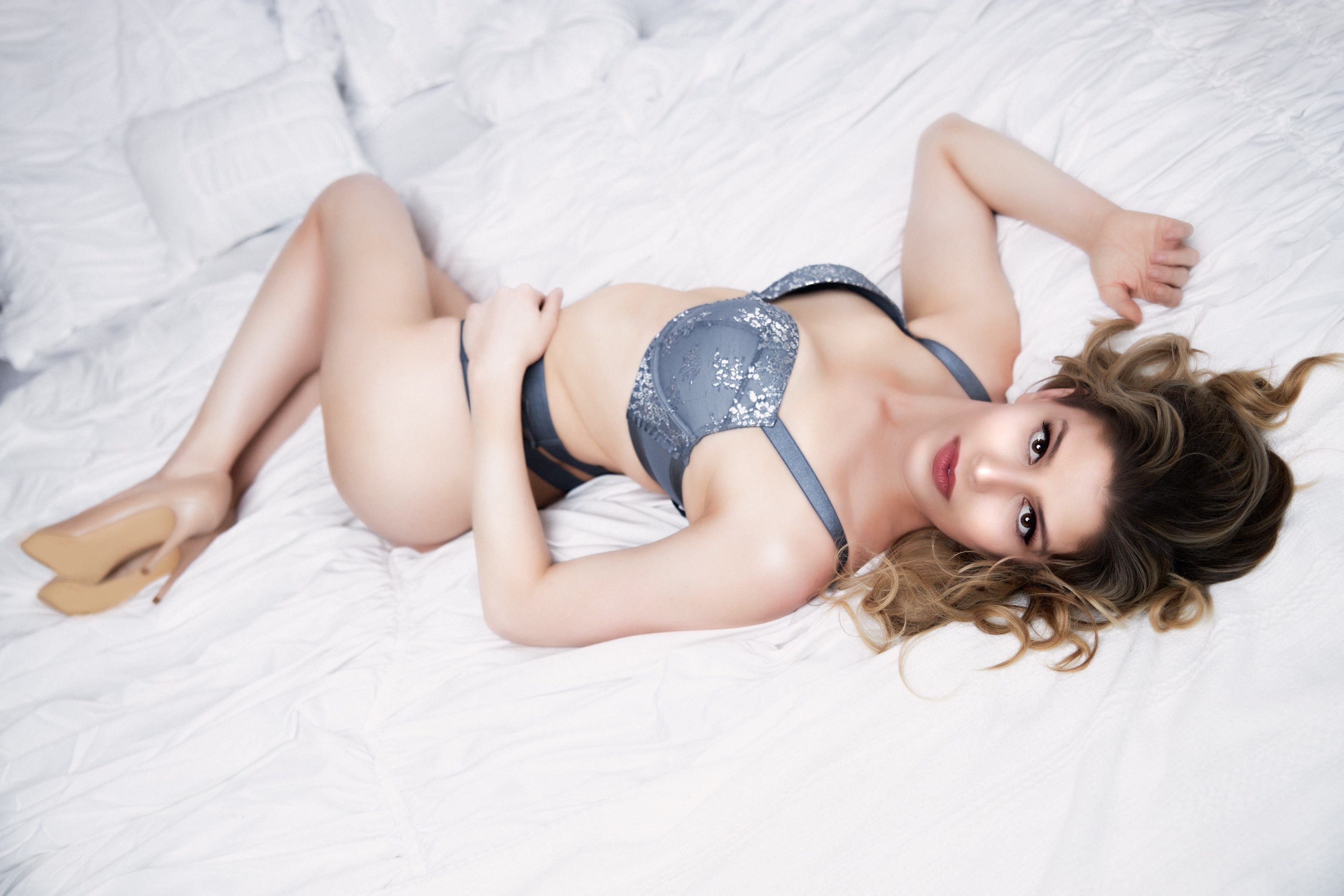
Almost every question women ask before a boudoir session is about the session itself. What to wear, how to pose, whether they will feel ridiculous. Almost nobody asks the question that matters longest, which is what happens to the photographs once they exist. You book the shoot, you show up, you see the images at your reveal, and then you own a set of pictures of yourself that you have never had before. Knowing in advance where those are going to live makes the whole thing feel less abstract, and it changes what you order.
Here is what actually happens after a Dallas boudoir session, and what the women who are happiest a year later tend to do.
The first week is louder than you expect
The reveal is the emotional peak. You sit down, the images come up large, and most people are quiet for a minute. That is normal. What is less expected is the week after, when you keep opening the gallery on your phone at odd hours, at a red light on 121, in the parking lot before you go into the grocery store. Almost every client describes some version of this.
That first week is a bad week for big decisions and a good week for small ones. The gallery is exciting, so everything looks like it should be printed at three feet wide. Give it a few days. The images you still want on the seventh day are the ones that belong on a wall. If you want to know the actual schedule of when files and products arrive, the reveal and delivery timeline walks through it step by step.
The album is the version you will actually revisit
If you only do one thing with the photographs, make a book. Digital files get buried. A printed album sits on a shelf and gets opened, and it is the format almost every past client says they reach for years later.
There is a practical reason for this beyond sentiment. A gallery of a hundred images has no shape. An album has a sequence, a beginning and an end, images given room and images held back. It edits the session down to the story of that day instead of an inventory of frames. The guide to boudoir albums covers the sizes, the cover materials, and how many images a book of each size actually holds.
Albums also solve the privacy question in a way a phone does not. A book is one object. You know where it is. You can put it in a drawer, a closet, or a safe, and nobody scrolls past it by accident. For a lot of women in DFW, that physicality is the entire appeal.
Wall art in a real house, including one with kids in it
The wall art conversation usually stalls on the same objection, which is that there is nowhere to hang it. That is almost never true, and it is worth thinking about properly before you rule it out.
The rooms that work are the private ones. A primary bedroom, the wall facing the bed, or the one you see walking in. A dressing area or a closet with real square footage, which plenty of newer homes in McKinney, Prosper, and Frisco have. A primary bathroom with a long empty wall. These are rooms guests do not enter, which means the piece is for you and whoever you live with.
The second thing to know is that fine art wall pieces read very differently from what people picture. A black and white image printed large, matted, and framed in a simple frame does not look like a boudoir photo taped to a mirror. It looks like a photograph. Most people who see one do not immediately register it as anything other than art on a wall, which is exactly the point. The fine art wall art piece shows how those are printed and framed, and the fine art session is built with that end result in mind.
If you are still deciding how much of the frame you want to be you, the coverage levels piece is the honest version of that conversation. Plenty of the images that end up framed are the quietest ones in the set.
The digital files, and where they should live
Every printed product comes with its matching digital files, so the question is not whether you get them. It is what you do with them once you have them.
A few things worth doing in the first month:
Get them off the phone and into one place you control. Download the full resolution files to a computer or an external drive, not just the phone gallery. Phones get replaced, cracked, and handed to a repair counter.
Decide about cloud backup deliberately. Most phones back up photos automatically, and for most people that is fine. If that specific folder syncing to a family shared account would bother you, change the setting now rather than discovering it later. Many phones also have a locked or hidden album feature, which is the simplest way to keep the files out of a casual scroll.
Do not crop and compress your only copy. If you post something or send something, work from a duplicate. Keep the originals untouched.
The files are also what let you do small things later. A print for a frame on a nightstand, one image sent to a partner on an anniversary, a piece added to the album the following year. If you want to understand what those files have already been through before they reach you, the retouching and editing piece explains exactly what does and does not get changed.
Who you show, and when you change your mind
The default is nobody. Then most women show one or two people, usually a partner, sometimes a close friend, occasionally nobody at all for months.
The thing nobody warns you about is that your comfort level moves. Women who swore during the consultation that no image would ever leave the house frequently end up with one framed. Women who assumed they would share widely often end up more private than they expected. Both are fine. Because the studio never uses an image without written permission, nothing you decide in the first week locks you in, in either direction. The privacy and image release piece lays out exactly how that works and who ever sees anything.
A year out, and then five
The pattern is consistent enough to be worth naming. The photographs stop being about the day they were taken and start being a record of a particular year of your life. Women come back to them after a move, after a hard season, before a birthday. Some book a second session a few years on and end up with two books that read as a pair.
That is the argument for printing something rather than leaving it all on a drive. A file is a file. A book on a shelf in your house in Plano or Fort Worth or wherever you land next is something your future self can actually pick up.
If you are thinking about a session and want to see how it runs end to end, the experience page walks through the day, portfolio shows the work, and investment covers current session and product pricing. You can see the full Dallas boudoir photography overview, or details on the McKinney studio where DFW sessions are photographed. A classic boudoir session is where most first-timers start.
When you are ready, send us an inquiry and we will talk through what you want to end up with, not just what happens on the day.