September 4, 2026
Booking a second boudoir session: what actually changes the second time
What a second boudoir session looks like when the nerves are gone. How returning Dallas clients plan wardrobe, style, and coverage differently the second time.
By Jennifer Marilyn
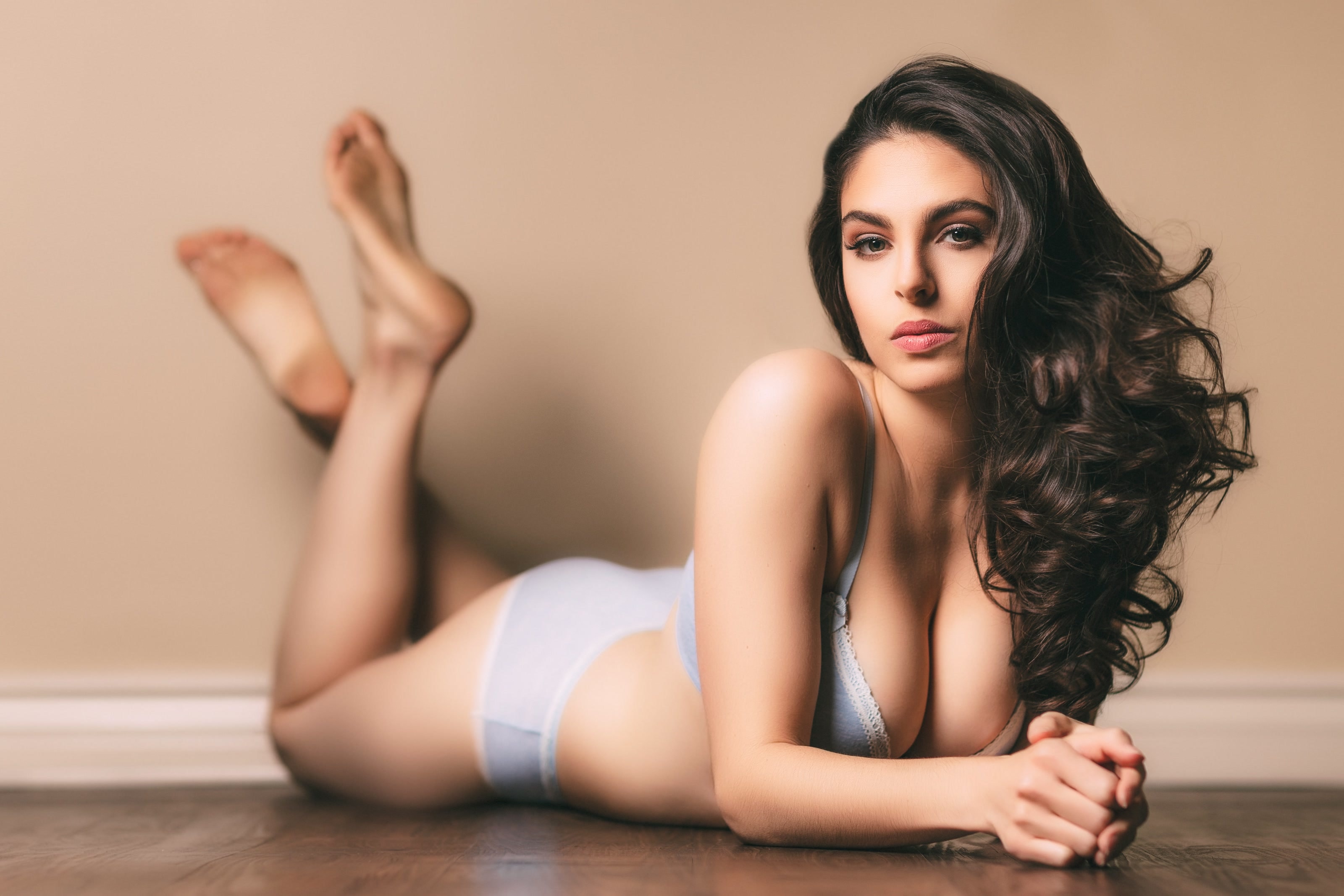
The emails from returning clients have a tell. They are short.
A first-time inquiry usually runs three or four paragraphs. There is context, an occasion, a reason, and somewhere near the end an apology for the length. A second-session inquiry from someone who shot with us two years ago reads more like: I want to do this again, I want it darker this time, what do you have in October.
That difference is the entire subject of this post. A second boudoir session is not a repeat of the first one. It is a different session with a different starting line, and the women who plan it that way get considerably more out of it.
Who actually books twice
There is no single profile, but the reasons cluster into four.
Something changed. A body after a pregnancy, a training year, a surgery, a decade. The first session documented one chapter and the second documents another. This is the most common reason, and it is worth saying plainly that the change does not have to be flattering by anyone's definition to be worth photographing.
The first one was tied to an occasion and this one is not. A bridal session becomes a marriage, and four years later she wants pictures that are not about the wedding. The occasion made the first booking easy. The absence of one makes the second booking feel indulgent, right up until it happens.
She held back. This is the honest one. A meaningful number of first sessions are shot slightly more covered, slightly more careful, slightly more polite than the client actually wanted. She did not know us yet. She did not know what she would feel like on the day. She picked the safe option and then spent the next year mildly annoyed about it.
She wants a different picture, not a better one. The first session was classic and warm. She has looked at it for two years and now wants something austere and graphic. That is not dissatisfaction. That is taste developing.
The nerves are gone, and that changes the schedule
Most of a first session's opening stretch is spent on a problem that no longer exists the second time. Learning the room. Learning that the door locks. Learning that direction is constant and specific, and that nobody expects you to arrive knowing how to pose. We build that adjustment into the timeline on purpose, and it is time well spent.
A returning client skips almost all of it. She has already had the experience of watching an image come up on the back of the camera and not recognizing the assumption she walked in with. She knows the session flow and she knows her own reaction to it.
What that buys is not a shorter day. It is a fuller one. The same hours that covered three or four setups the first time will cover five or six the second, because none of them start from zero. If you have read what the nerves actually feel like, the second session is the version of that post where the first twenty minutes have already happened.
Plan the wardrobe backward from what worked
First-time wardrobe planning is a guess informed by good advice. Second-time planning is informed by evidence, and the evidence is sitting in your album.
Go through the images from the first session and sort them honestly into two piles. The ones you have shown people. The ones you have not. Then look at what the first pile has in common. It is rarely the most expensive piece you brought. It is usually one specific silhouette, one specific neckline, or one specific fabric that did something particular under the light.
Bring more of that. This is the single most useful thing a returning client can do, and it outperforms any amount of new shopping. Our general wardrobe guidance still applies, but you now have a personalized version of it that nobody else can write for you.
The second useful move is to bring one thing that scares you slightly. Not because discomfort is the point, but because the safe pile is already covered by the first session. The marginal value of the second session lives at the edges.
Coverage and style are the real levers
The two things returning clients most often change are how much they show and what the pictures look like.
On the first, our coverage levels are a menu, not a ladder, and moving between them is a choice made per setup on the day. Plenty of second sessions go further than the first. A few go the other direction, toward something more clothed and more architectural, because the client discovered she liked the restrained frames best. Both are normal. Neither requires a conversation about why.
On the second, this is where returning clients get the most obvious upgrade. A first session usually leans toward classic boudoir, which is the right default, because it is the style that flatters the widest range of people with the least risk. A second session is where fine art boudoir makes sense: harder light, deeper shadow, more compositional, less about being recognizable and more about being a picture. It is also where glamour fits for clients who realized they wanted the polished, styled, magazine register rather than the intimate one. Our breakdown of boudoir styles is the map, and you now know which part of it you actually live in.
How long people wait
There is no correct interval. In practice, most returning clients land somewhere between eighteen months and four years.
Under a year tends to produce two sessions that look like each other, unless something specific has changed or the style is deliberately different. Past five years, clients often wish they had come back sooner, which is a sentence we hear more than any other on this subject.
If a milestone is driving it, work backward from the date and give yourself room. The reveal and delivery timeline does not shorten for returning clients, and neither does the calendar. Fall and the run into the holidays are the tightest weeks of the year in the McKinney studio, and clients driving in from Frisco, Prosper, Southlake, or anywhere else across DFW are all looking at the same handful of dates.
What does not change
The parts of this that are structural stay structural. The studio is still private. Professional hair and makeup is still available as an option rather than something bundled into the session. The image release still says exactly what it said the first time, and nothing is used anywhere without your written say-so.
Products are still chosen after the session rather than before, and if you are adding to an existing album or building a second one, that gets planned at the ordering appointment. Current pricing lives on the investment page and it is worth a fresh look rather than an assumption, since the first session may have been a while ago. If you are weighing the decision the way you weighed it the first time, is boudoir worth it covers that ground without a sales pitch.
The one genuine difference is that we already have your file. Wardrobe notes, what worked, what you asked us to avoid, which frames you ended up printing. That is the head start, and it is the reason second sessions tend to be the ones clients like best.
If you shot with us before and you have been thinking about coming back, send us an inquiry and mention the year of your first session. We will pull the notes before we talk.