July 27, 2026
Boudoir in the Hollywood Hills: bringing a reference image into your own house
A Hollywood Hills boudoir photographer on planning a commissioned session at a private residence: mood boards, hillside light, timing, and how the day runs.
By Jennifer Marilyn
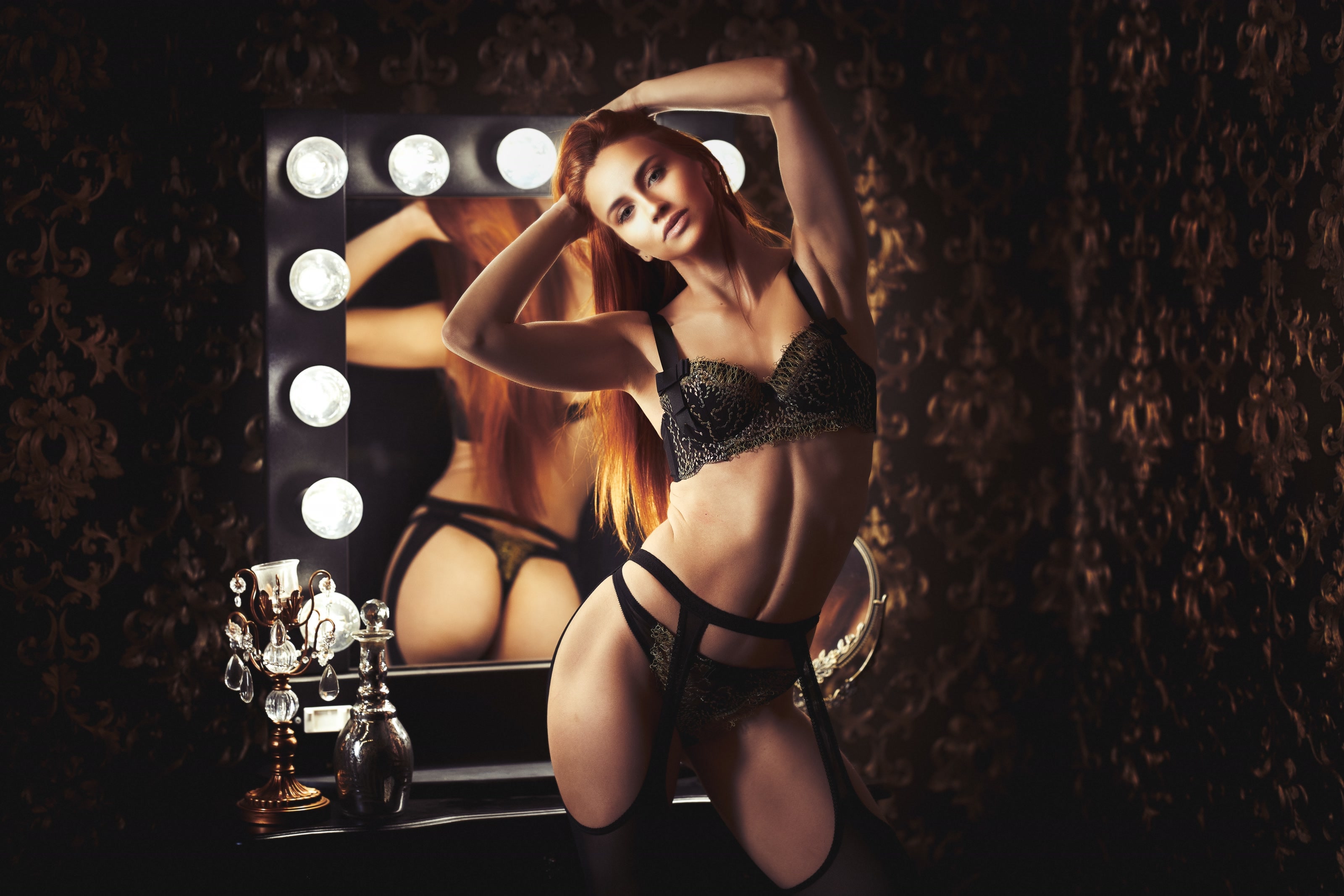
Clients who search for a Hollywood Hills boudoir photographer tend to arrive differently than the rest of our inquiries. They usually already know what they want the pictures to look like. Sometimes it is a specific photographer's body of work. Sometimes it is a painting, a film still, or a single frame saved off a magazine spread two years ago. They are not asking us to invent an aesthetic. They are asking whether we can translate one, into their body and into their house.
That is a good way to start a session, and it changes how we plan. This post covers how a Hollywood Hills session actually gets built: what the longer pre-production call covers, how the hillside light behaves, what a commissioned session means in practice, and what the day itself feels like.
Why these sessions start with a mood board
We ask most clients to bring references. In the Hills, most clients bring them before we ask. A large share of the people who book us from these neighborhoods work in production, design, or something art-adjacent, and they are fluent in visual language already. They know the difference between hard light and soft light even if they do not use those words. They know which images they respond to.
So the pre-session call runs longer here than it does for a typical booking. We are not filling out a form. We are going through your references image by image and pulling them apart: where the light source was, how high it sat, what the subject was actually doing with her weight, why the frame is cropped the way it is. Then we work out which parts of that translate to you, your body, and your rooms, and which parts do not.
Being honest about that last piece matters. Not every reference transfers. A frame shot in a bare concrete room with a twelve foot ceiling will not land the same way in a warm wood-paneled den, and pretending otherwise wastes your session. When something will not carry over, we say so on the call and propose the closest thing that will. Most clients would rather hear that in advance than see it in the gallery.
The house is part of the commission
Sessions in the Hills are almost always scheduled at private residences, and the architecture drives the plan more than it does anywhere else we work. We are often booked specifically because of the house.
That means the walkthrough matters. Before the day, we want to know which direction the main windows face, what time the good light hits which room, whether there is a stair, a landing, a long hallway, a wall of glass. Hillside homes are full of features that photograph beautifully and are difficult to improvise around on the spot: split levels, deep overhangs, rooms that go bright and then dark within forty minutes. Knowing that in advance is the difference between a planned session and a scramble.
We shape what we find. We bring lighting and modifiers, and we use them when the daylight needs support, but the goal is for the images to look like your house on its best afternoon rather than like a studio that happened to be assembled in your living room.
To be clear about what this is: a full session, planned in advance, run at your address. Only the people you invite are there. Nothing leaves the session without your say, and image release is entirely your decision. The all-female hair and makeup team is available as an add-on rather than bundled into the session, and for a commissioned session at a residence it is worth considering, since it keeps the look consistent from the first setup to the last.
Light on the hillside
Two windows do most of the work, and which one we choose depends on your house rather than on a general rule.
Mid-morning, once the sun is fully up, interiors fill evenly and the day still feels unhurried. Rooms facing north hold that quality for hours. The other window is the last stretch before sunset, when the light coming across the hills goes long and warm and everything in a west-facing room softens at once. That second window is short. If your references are built on it, we plan the whole day backward from it and shoot the other setups first.
Canyon geometry complicates this in a way flat neighborhoods do not. A ridge or a neighboring structure can take your direct light forty minutes earlier than the sunset time on your phone suggests. This is exactly why we ask about orientation ahead of time rather than finding out at four in the afternoon.
What gets commissioned
Fine art boudoir leads by a wide margin in this market, with editorial classic work close behind. What is distinctive is that Hills sessions are usually commissioned around a specific outcome rather than shot broadly and sorted later.
Clients come in knowing the destination. A single large piece for a particular wall, sized and toned for that room. An album with a defined aesthetic direction carried through every spread. A small body of work for one space in the house. When you know the destination before the shutter opens, the session becomes about serving it: we shoot for the crop, for the orientation, for the tonal range the finished piece needs.
If you want a broader session with more variety and no fixed endpoint, that is completely reasonable and we shoot plenty of them. It is simply less typical here, and it is worth saying out loud on the call so we plan for what you actually want.
What the day is like
Most clients are nervous at the start, including the ones who arrived with a fully built mood board and a clear point of view. Knowing what you want the images to look like does not make being photographed feel natural. That is normal, and it is not something you need to manage on your own.
You will not be left guessing what to do with your hands or where to look. We direct every frame, and we show you images on the back of the camera early so you can see the plan working. By the third or fourth setup, most of the self-consciousness is gone and the session gets easy.
A session runs two to three hours with three to five wardrobe changes. You do not need to arrive with a list of poses. Bring your references and your wardrobe. We handle the direction.
If a session at your own house is not the right fit, whether that is construction, a shared living situation, or simple preference, there are other options close by. Our studio serves the whole Los Angeles metro, and we photograph on location across it. Our post on boudoir on location in Los Angeles walks through how those sessions come together, and the West Hollywood couples post covers what changes when there are two people in the frame.
What it costs
We keep this plain. There is a studio session fee and a higher fee for a location session, which is what a session at a Hills residence is. Current pricing lives on the investment page so it stays accurate in one place rather than going stale in an article. Hair and makeup is available as a separate add-on.
Products are sold separately, a la carte, with no minimum. After the session, our art directors build a custom quote around what you actually want, whether that is one wall piece, an album, or digital files. Each printed product comes with matching digital files, and financing is available. For commissioned work, the piece you have in mind is usually the whole point, so the quote tends to be simpler here than average.
Planning a Hollywood Hills session
If you have references saved and a room in mind, that is more than enough to start. Tell us roughly when you want to shoot, something about the house and which way the main windows face, and what the finished piece is meant to be. We will take it from there and build the day around the light your rooms actually get.
When you are ready, send us an inquiry and we will set up the call.