July 10, 2026
Plus-size boudoir in Dallas: the direction and light that actually flatter
Plus-size boudoir in Dallas done with real direction and intentional light. How posing, angles, and a calm studio make the session feel easy from the first frame.
By Jennifer Marilyn
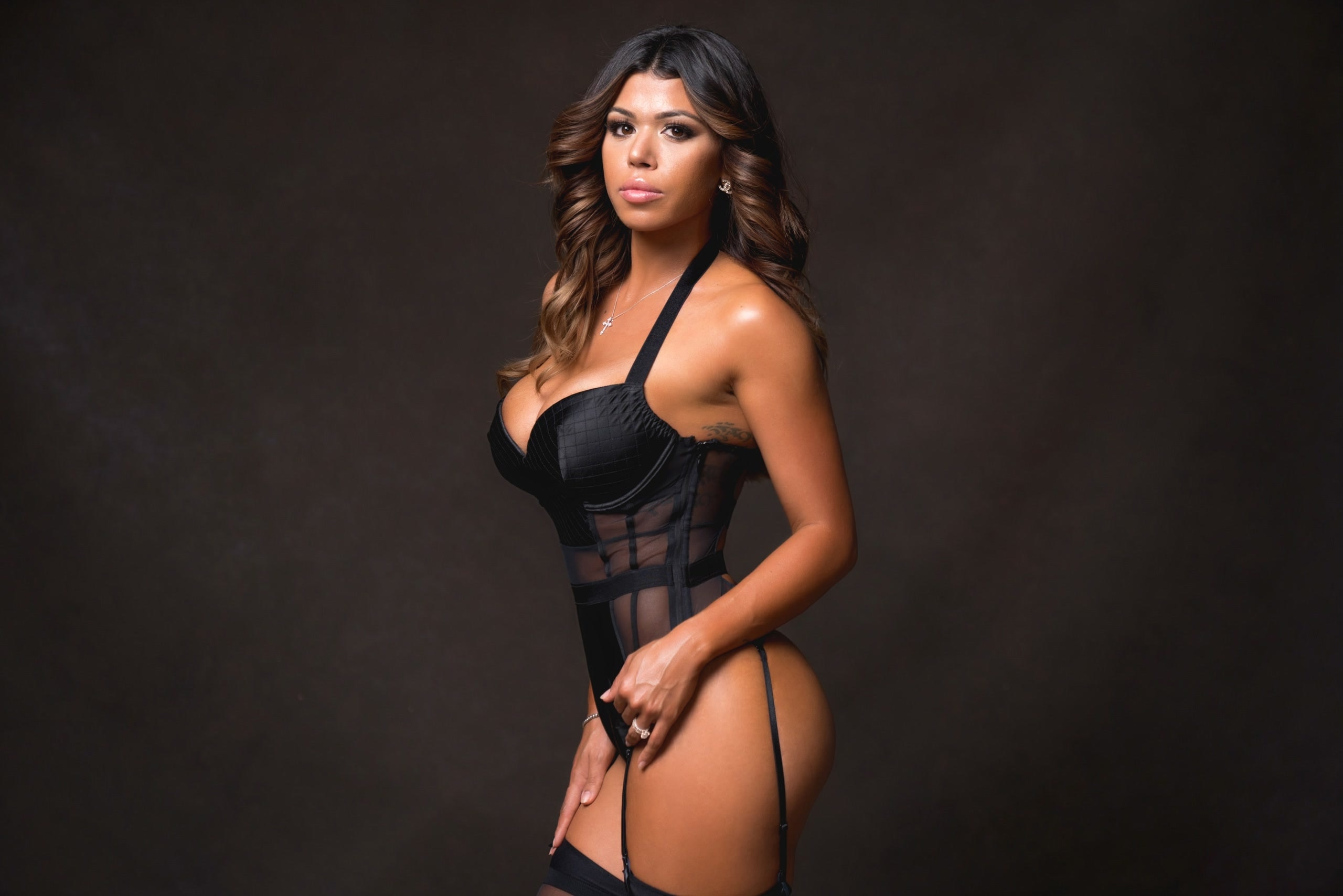
Plus-size boudoir in Dallas comes down to two things most studios treat as afterthoughts: how you are posed, and how the light falls on you. Get those right and the camera stops being something to brace against. It becomes the thing that shows you what other people already see. This post is about how that actually works in the studio, from the first pose to the frames you end up keeping.
The women who reach out for this are rarely new to being photographed at group dinners or family events. They are new to being photographed on purpose, as the only subject in the room, with someone whose entire job is to make the picture work. That difference is the whole point.
Why direction matters more than your body
The single biggest predictor of whether a boudoir photo works is not the person in it. It is whether they were given something to do. Left to stand and "look natural," almost anyone freezes. Shoulders creep up, the chin drops, the hands go rigid. That is not a body problem. That is a direction problem, and it is the photographer's job to solve.
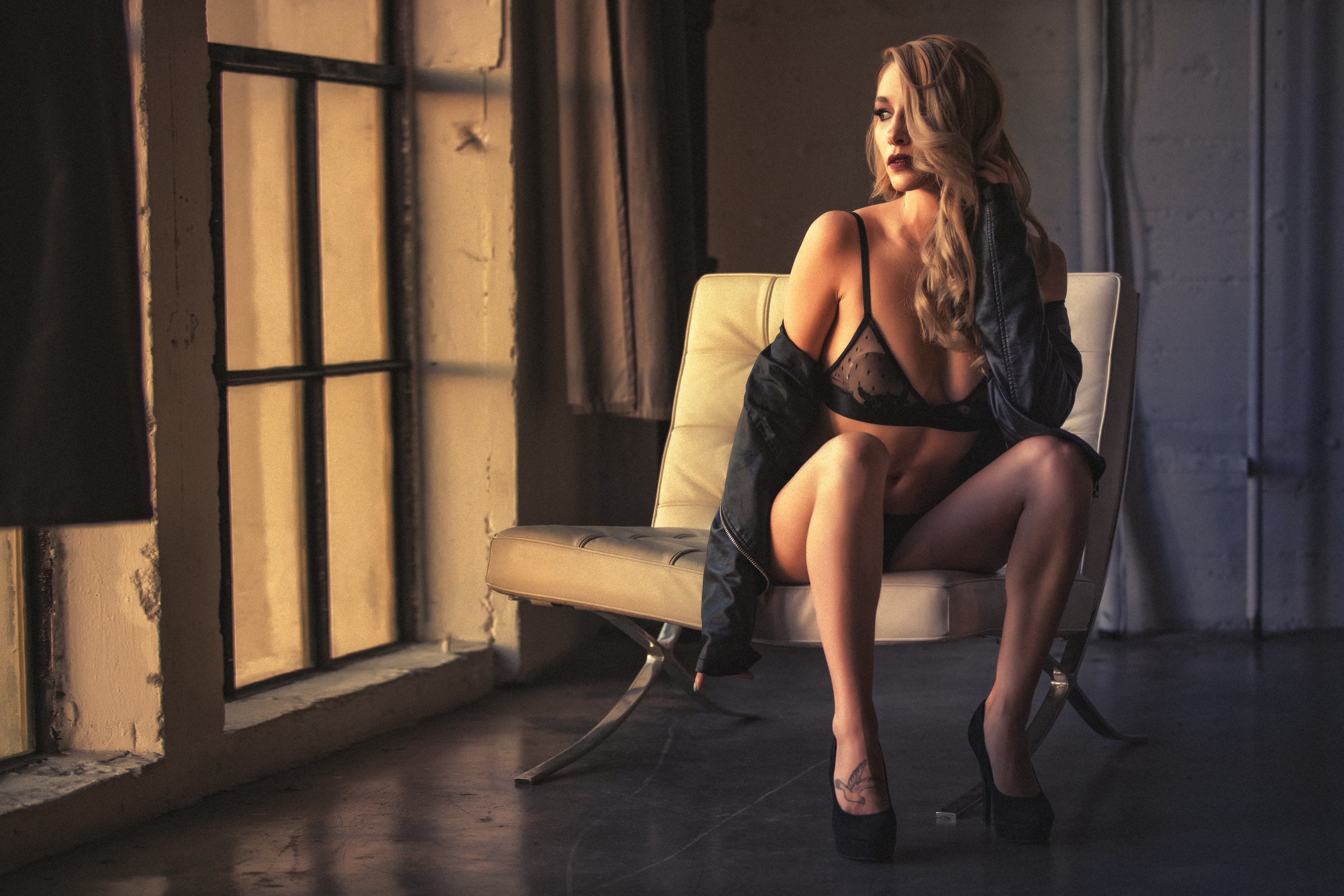
In the studio, you are told exactly where to put your weight, which way to turn your ribs, where the chin goes, what to do with your hands. You are never left guessing. When a pose is not landing, we change it in a few seconds and move on. Nothing about it is your responsibility to figure out. A good session feels less like performing and more like following simple instructions while someone watches the frame for you.
That approach matters at every size, and it matters more when a client walks in braced for the opposite. If you have spent years quietly managing which angles you allow in photos, being handed the angles instead is a genuine relief. You can read more about how a full session unfolds on the experience page, which walks through the day start to finish.
What light does for a plus-size figure
Light is the other half of the craft. Hard, flat, overhead light, the kind you get in most rooms and most phone photos, is unkind to almost everyone. It erases shape and flattens the body into a silhouette. Studio boudoir uses the opposite: directional light, shaped and feathered, placed to give the body dimension.
Practically, that means light coming from the side and slightly above, so it wraps across a curve and lets the rest fall into shadow. Shadow is not the enemy here. Shadow is what gives a photograph depth and quiet. It is what turns a snapshot into something that looks like art. A well-lit frame does not hide anything. It shapes it, the way a painter would.
The studio in McKinney is built for this kind of control. We are not fighting a bright window or a fixed overhead fixture. The light is placed for you, adjusted between setups, and changed completely when we move from a soft, romantic look to something with more contrast and edge.
Posing that works with a fuller figure
There is a small set of things that reliably work, and they are not secrets. They are just rarely explained.
Create angles and space. A hand on a hip, a bent knee, a turned shoulder. These build lines and negative space into the frame instead of squaring you off to the lens. Straight-on and flat is the least flattering angle for nearly everyone, which is exactly why so many casual photos disappoint.
Use the chin and the neck. Extending the chin slightly forward and down lengthens the neck and defines the jaw. It feels strange while you do it. It looks right in the photo. You will not be left to guess the amount. You will be told.
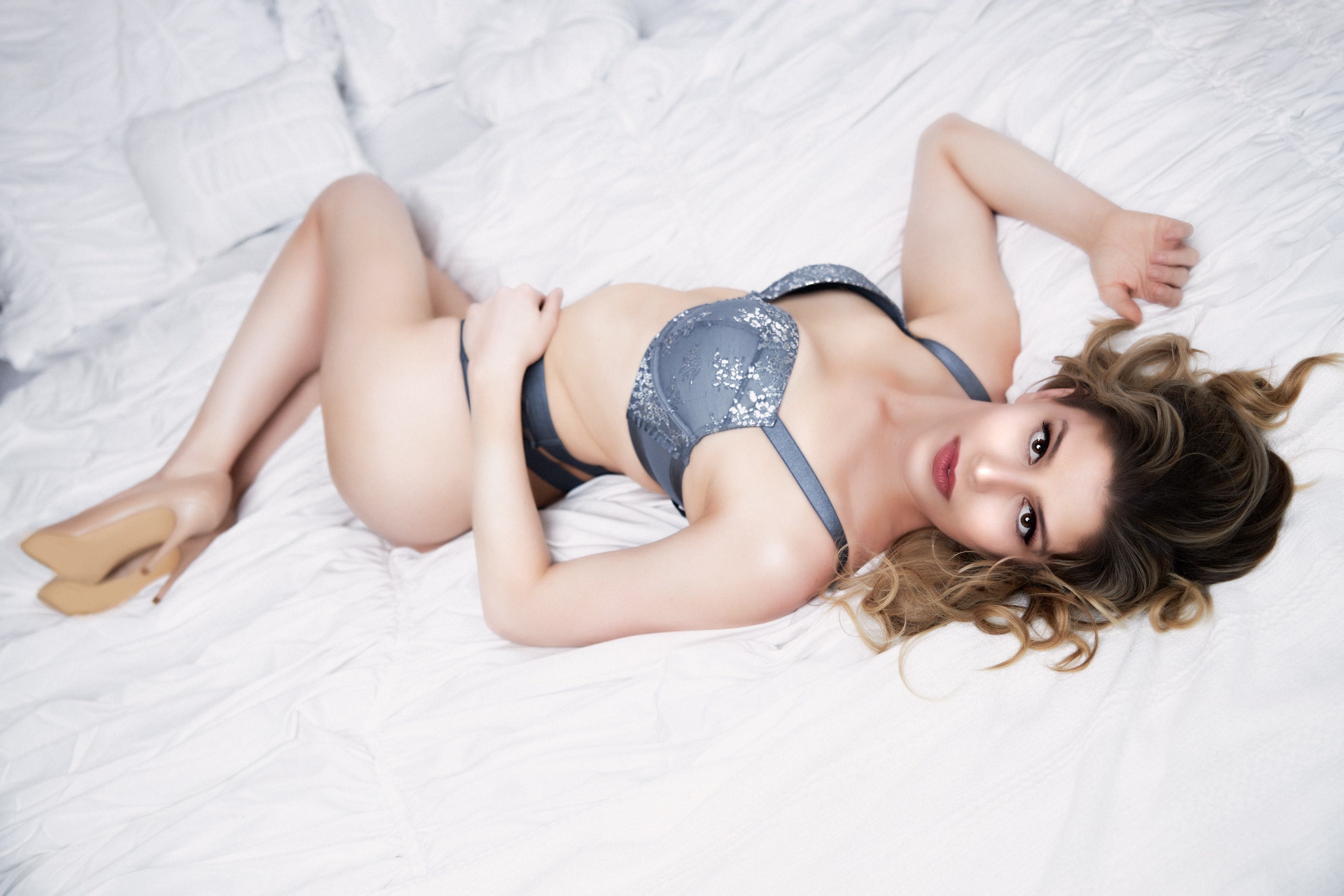
Let the weight shift. Leaning into a wall, sinking a hip, settling into the bed. Tension reads in a photograph, and weight that is committed to something reads as ease. Most of the direction in a session is really about giving your body a place to rest.
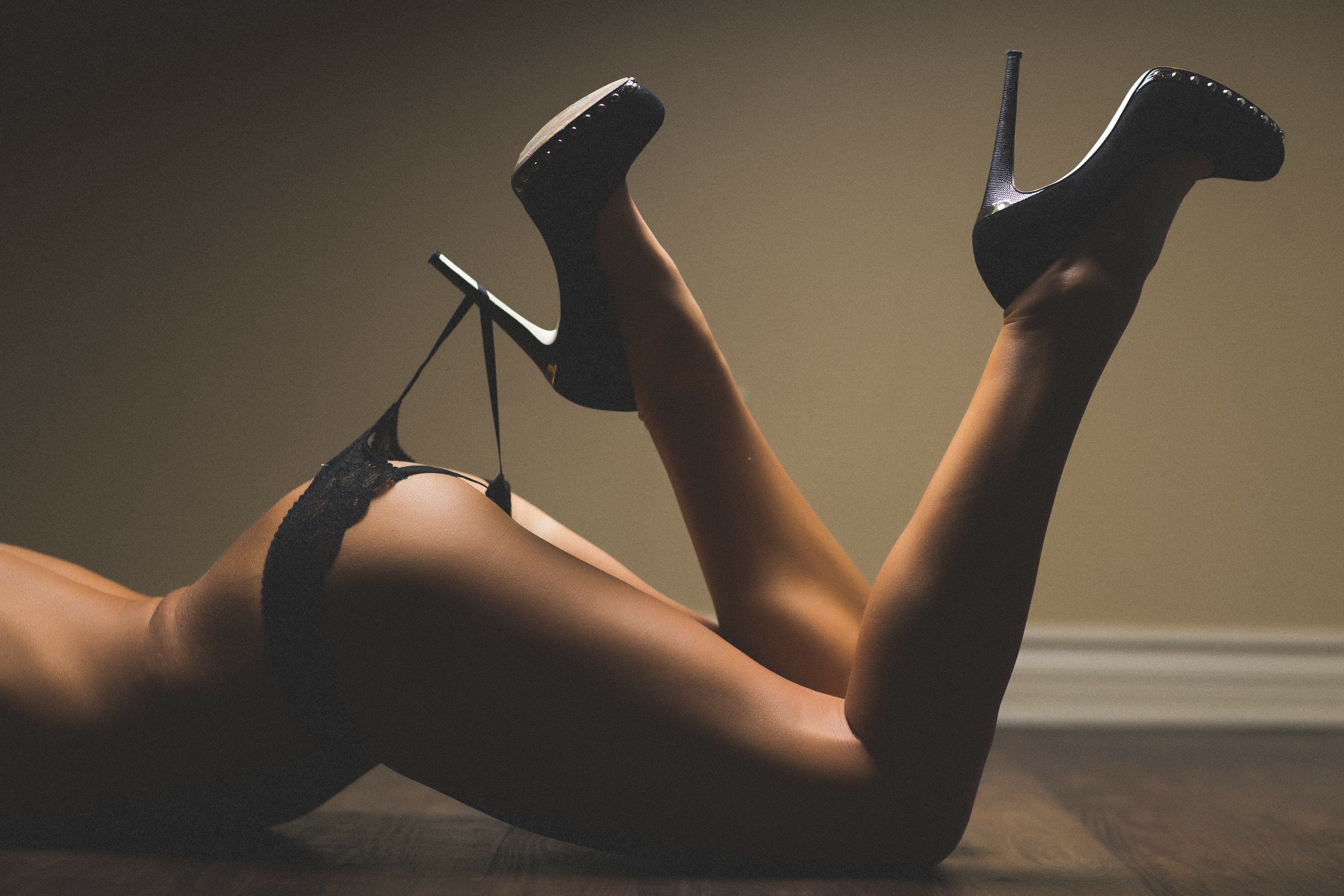
Work close and work wide. Some of the strongest plus-size frames are close crops: a collarbone, the line of a back, hands in fabric. Others are full-length and architectural. A good session gives you both, so you are not depending on a single look.
None of this requires you to know it in advance. It is the photographer's list, not yours. Your job is to show up and follow along.
The nerves, named honestly
Most clients are nervous walking in, and plus-size clients often carry a specific version of it: the worry that the camera will confirm something. It rarely goes the way people fear. By the second or third setup, when you have seen a few frames on the back of the camera and they look like the version of you that you actually like, the bracing drops. The room gets quieter and easier. That shift happens in almost every session, and it happens faster when the direction is clear from the first pose.
It also helps to know what is coming. If you tend to talk yourself out of things beforehand, the piece we wrote on first-time boudoir nerves in Dallas covers what the anxious hour actually feels like and why it fades. Reading it ahead of time takes some of the unknown out of the day.
Hair, makeup, and wardrobe
Professional hair and makeup is available as an add-on to the session, and most first-time clients choose it. It is not about becoming someone else. It is about the finish holding up under studio light and lasting through a two to three hour shoot. If you would rather do your own, that is fine too.
For wardrobe, bring more than you think you will use. Pieces that fit well right now matter far more than a size on a tag. High-waisted sets, a partner's button-down, a structured bodysuit, a simple robe, and good lines all photograph beautifully. If wardrobe is the part you are unsure about, we help you build a plan before the day so you are not standing in a fitting room second-guessing.
Where this fits in Dallas
The studio sits in McKinney, easy to reach from Frisco, Plano, Prosper, Allen, and the wider north DFW area, with a second studio serving Southern California. If you are weighing studios, read them the way you would read any vendor: look at how they light and direct real bodies, not just the thinnest ones. Our guide to choosing a boudoir photographer walks through the questions worth asking before you book anyone.
A classic boudoir session is where most people start, and it is built around exactly the direction and light described here. You can see the full range of what we offer on the Dallas boudoir photographer page.
If you have been putting this off until some future version of your body arrives, consider that the version reading this is the one worth photographing. When you are ready, send us an inquiry and we will talk through the session, the studio, and what a day here would look like for you.