August 31, 2026
Black and white boudoir in Dallas: why the color leaves and the picture stays
Black and white boudoir in Dallas: why we shoot in monochrome, when it works better than color, and how a black and white frame becomes wall art you keep.
By Jennifer Marilyn
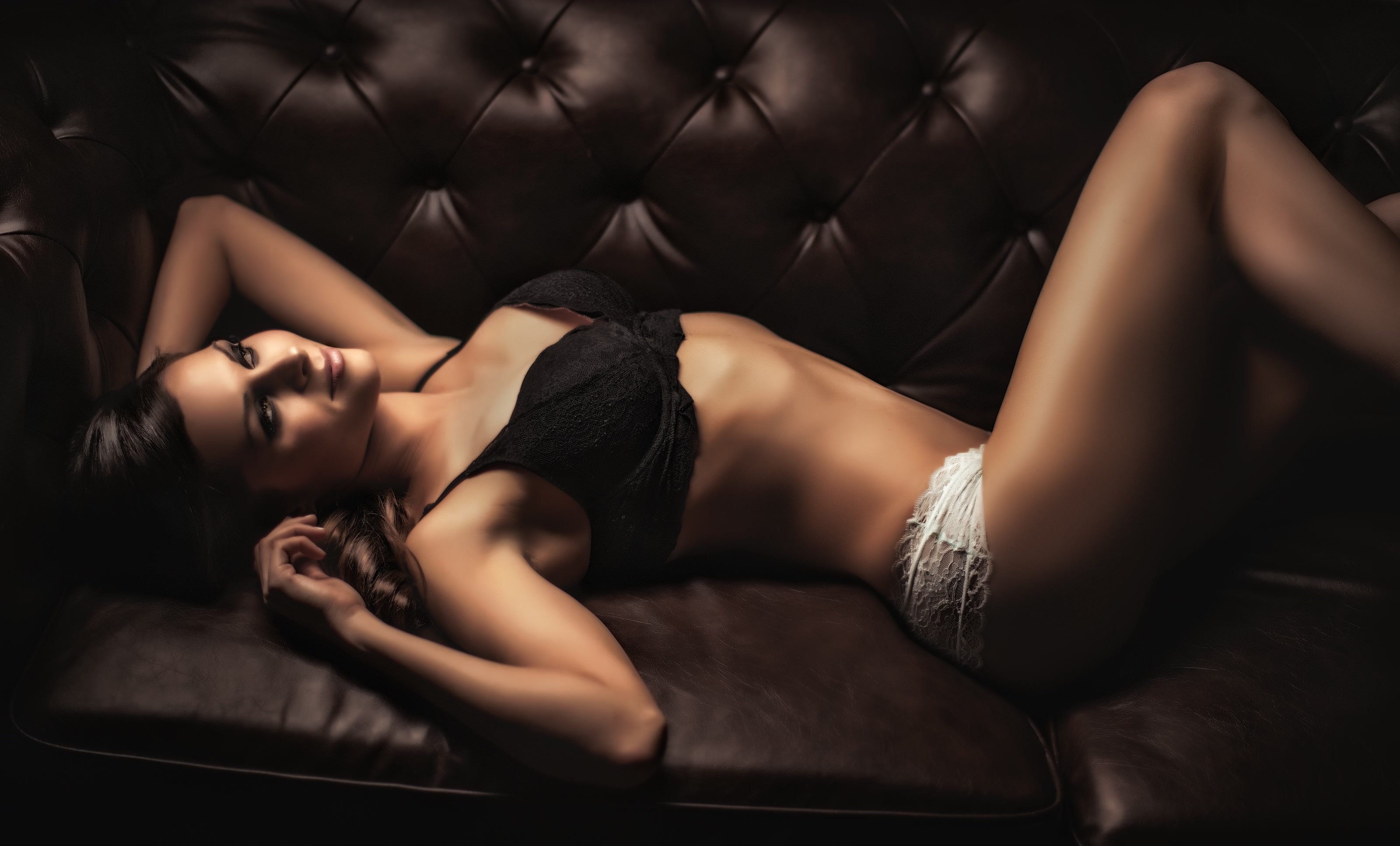
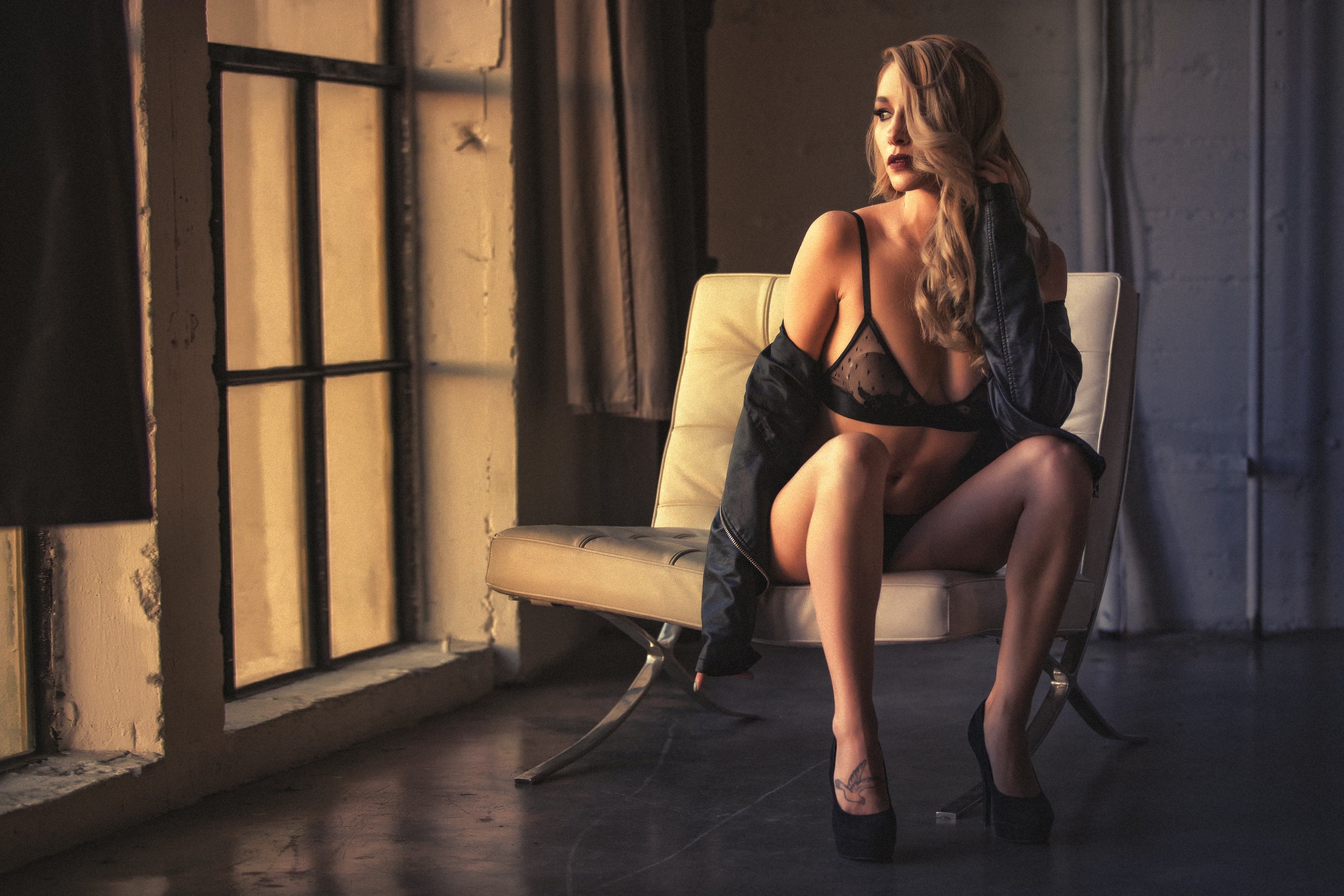
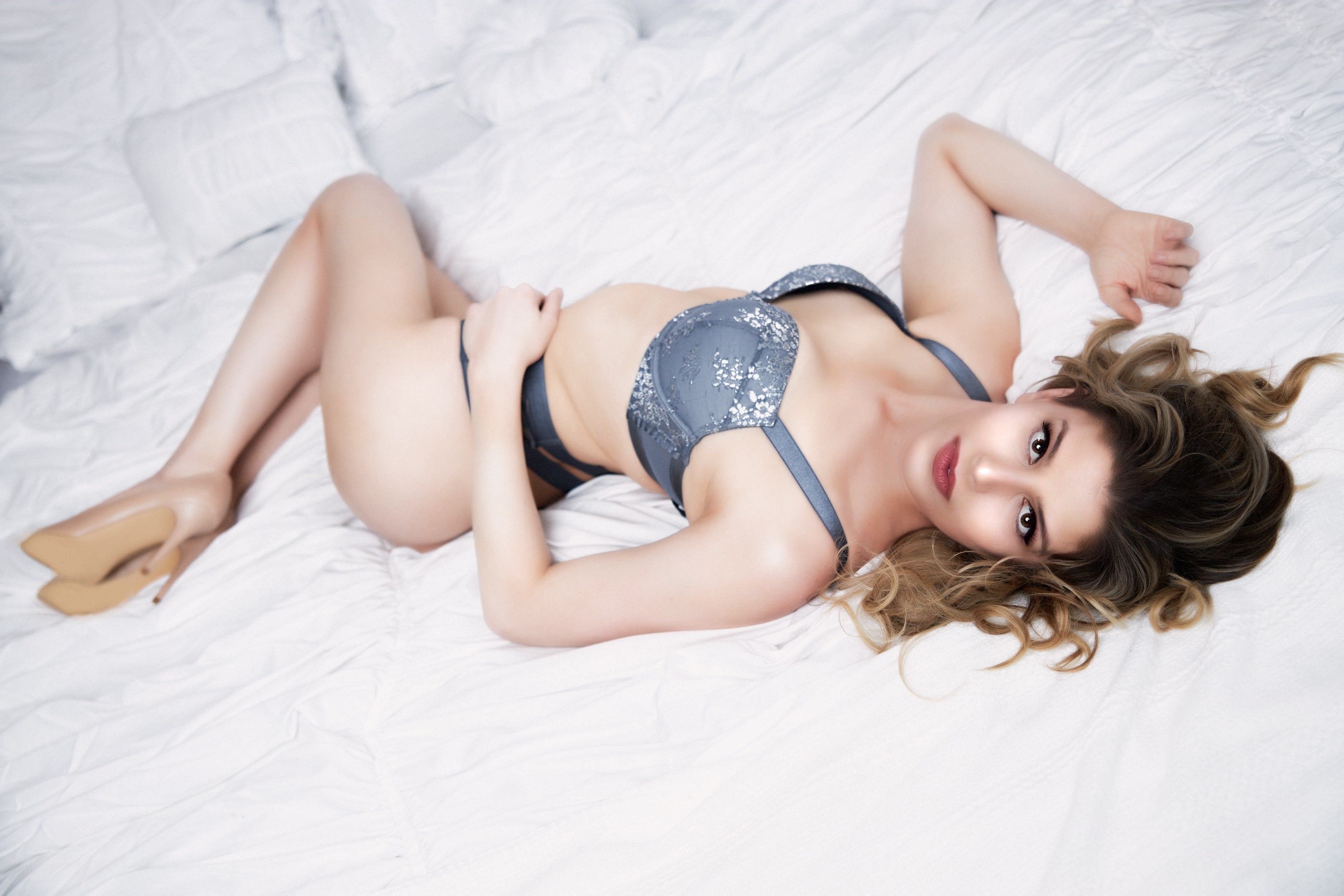
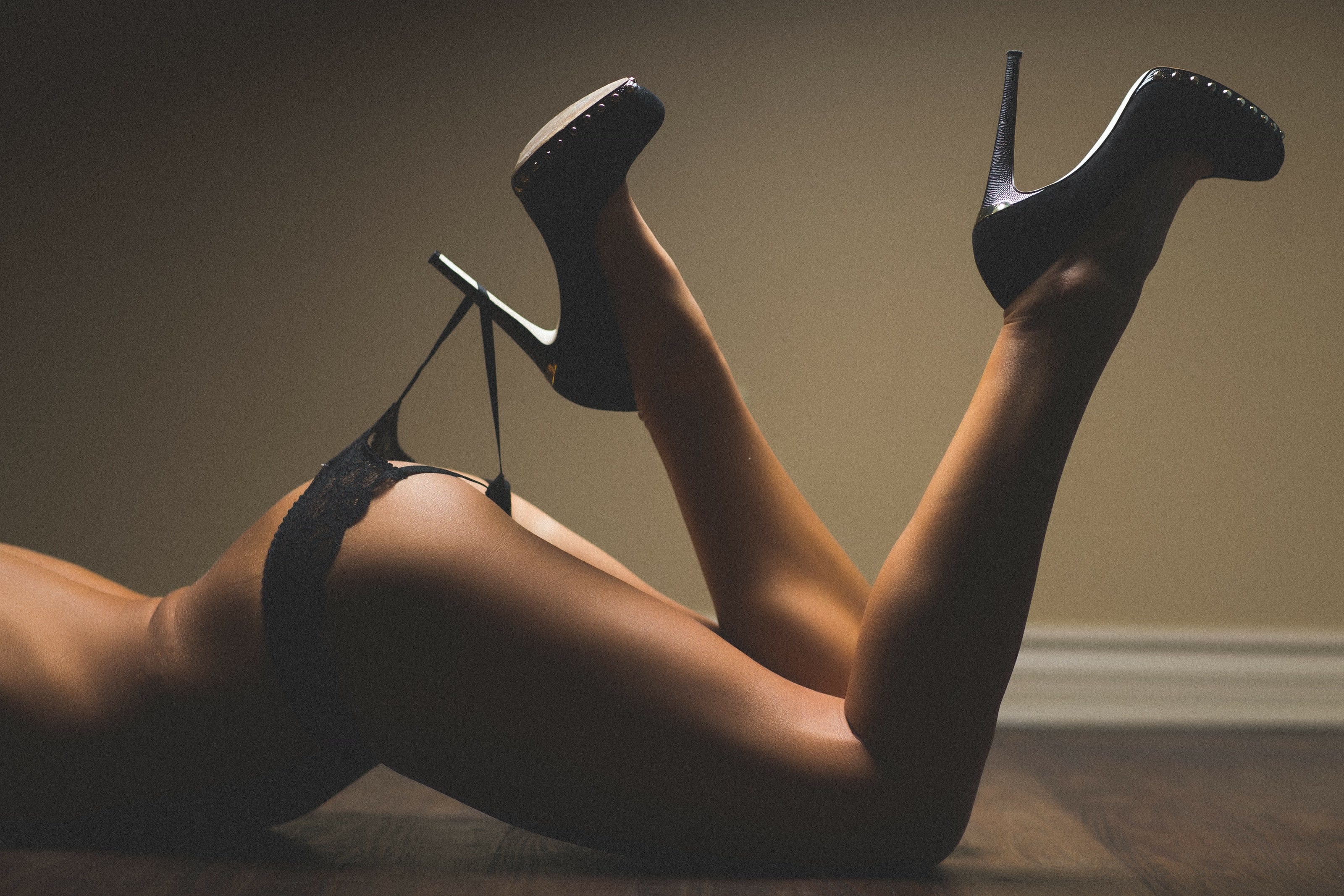
Black and white boudoir is the look most Dallas clients think they want before they have the words for it. They scroll a gallery, stop on one frame, and it is almost always the one with the color stripped out: a shoulder, a length of light down the spine, a face half in shadow. Then they book a session and quietly worry the black and white ones will look old, or serious, or somehow less like them.
They will not. Black and white is not a filter we drop on at the end to make a photo feel important. It is a decision about what the picture is made of, and for a lot of women it produces the single frame they end up hanging on a wall.
Why black and white works for boudoir
Color carries information. The pink of a wall, the blue cast off a window, the exact shade of a lip, the busy print on a robe. Most of the time that information is welcome. In boudoir, some of it competes. Take the color out and the eye stops reading the room and starts reading the person: the line of a collarbone, the way light rolls across a hip, the tension in a hand, the expression that a beat of color would have pulled attention away from.
That is the whole case for black and white boudoir. It reduces a photograph to shape, light, and feeling. It is why the genre has leaned on monochrome for a century, and why the frames that read as timeless almost never depend on a color you would have to explain later.
It also does something practical that matters more than people expect. It forgives. A slightly ruddy patch of skin, a bruise from the gym, a spray tan that went a shade warm, the redness everyone has somewhere. In color those things ask for attention. In black and white they simply become tone, and the story of the frame goes back to being about you.
When we choose it, and when we do not
We do not shoot an entire session in black and white and hand you a monochrome gallery. That would be a gimmick, and it would take a choice away from you. We shoot in color, light with intention, and then convert the frames that are built for it.
Some frames are built for it. High-contrast light, a strong shadow, a clean background, a pose that is more about form than about a specific outfit. Those become black and white almost on their own. A lace detail you spent an hour choosing, the exact green of a dress you love, a warm morning glow through a window, those often want to stay in color, and we keep them there.
The honest version is that most women end up with a mix. A set that lives in color and a handful of black and white frames that carry the weight. You are not picking a team at booking. You see both in the reveal and decide what belongs on a wall and what belongs in the album.
If you are still deciding what your overall look should be, the broader map of options lives in our guide to boudoir photography styles in Dallas, and the two session paths most people choose between are Classic Boudoir and Fine Art Boudoir. Fine art in particular leans toward the sculptural, monochrome-friendly frames people picture when they say they want black and white.
How a black and white frame actually gets made
There is a myth worth clearing up. A good black and white image is not a color photo with the saturation slider dragged to zero. That produces a flat, gray, lifeless result, and it is the reason a lot of amateur black and white looks cheap.
The conversion is its own craft. Every color in the frame becomes a specific shade of gray, and a skilled edit decides which colors go lighter and which go darker. Skin can be lifted so it glows. A background can be dropped so a body separates cleanly from it. Contrast gets shaped so the light has somewhere to travel. The frames you stop on in a gallery went through that, whether you noticed or not. It is the same editing philosophy we describe in how much we retouch a Dallas boudoir session: we shape light and tone, we do not rebuild you into someone else.
None of this asks anything extra of you on the day. Your job is to show up and be directed. If you have never done this and the nerves are loud, that is normal, and the honest walkthrough of a session is on our experience page. The black and white happens later, in the edit, out of a frame we already made together.
What to wear when black and white is the goal
If you already know you want strong monochrome frames, a few wardrobe choices help. Texture reads beautifully in black and white, so lace, ribbing, sheer fabric, and anything with a defined weave gives the image something to hold. Simple silhouettes read cleaner than busy prints, because a loud pattern that was doing work in color can turn into visual noise once the color is gone. And a plain white sheet, a partner's white button-down, or bare skin against a dark background are all monochrome workhorses.
Do not overthink it. The wardrobe conversation is part of planning either way, and you do not have to arrive with a finished vision. Professional hair and makeup is available as an add-on if you want it, and it photographs well in both color and black and white, though it is never required and never bundled into the session.
From a monochrome frame to something on a wall
The reason black and white matters is not the phone screen. It is the wall. A monochrome print does something in a room that a color one cannot always pull off: it reads as art first and as a personal photo second, which is exactly what most women want hanging where a guest might see it. It sits next to the rest of your home without fighting it, and it does not date the way a color palette can.
That is why so many of the frames that become fine art wall pieces from a Dallas session are the black and white ones. If wall art or an album is where you think this is heading, the products and how they are built are laid out on the investment page, and you can start with the studio itself on our Dallas boudoir photographer hub. Both the McKinney studio and our Los Angeles and Southern California studio in Valencia shoot the same way, so the look travels.
You do not need to decide any of this before you book. You need to know that black and white is a real, deliberate part of what we make, not an afterthought, and that the frame you keep is likely to be one of them.
If a monochrome portrait is the image you have been picturing, send us an inquiry and we will talk through the session, the wardrobe, and what a black and white set could look like for you.