August 7, 2026
Can you bring a friend to your boudoir session? The honest Dallas answer
Can you bring a friend to a boudoir session? A Dallas boudoir photographer explains when a guest helps, when it quietly hurts the images, and what to do instead.
By Jennifer Marilyn
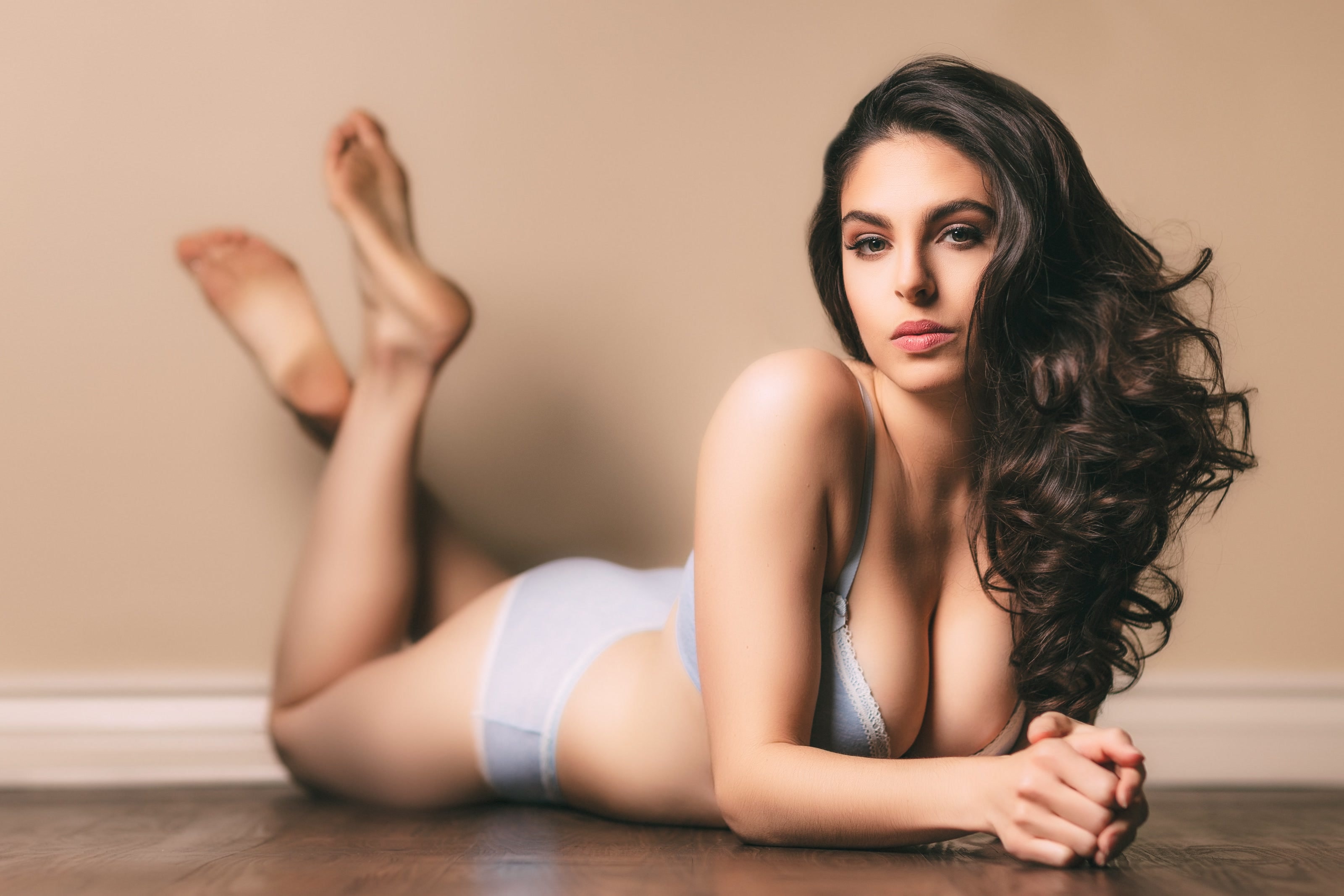
It usually arrives as the last question in an inquiry, tacked on at the end like an afterthought. Can I bring my best friend? Sometimes it is a sister. Sometimes it is a partner who offered to drive. Almost always, the person asking is not really asking about logistics. They are asking whether they will be alone in a room with a camera and a stranger, and whether that is going to be as exposing as it sounds.
That is a fair thing to want an answer to. So here is the real one, including the part most studios do not say out loud.
The short answer
You can bring someone to the studio. You generally should not bring them into the session.
Those are two different things, and collapsing them is where the confusion comes from. A friend in the parking lot in McKinney, or sitting in the front of the studio with a coffee while you shoot, is completely fine. A friend on the couch six feet from you while you are in lingerie changes the room in ways that show up in the photographs.
I want to explain why, because "studio policy" is a non-answer and you deserve the actual reasoning.
What a second person changes in the room
A boudoir session runs about two to three hours with three to five wardrobe changes. For the first twenty minutes or so, most clients are managing a low hum of self-consciousness. That is normal and I plan for it. The work of that first stretch is getting you from performing comfort to actually being comfortable, and it happens faster than people expect once the room narrows to two people and a task.
Add a third person and the room stops narrowing. You start playing to an audience you already have a history with. There is a specific look I can see in frames when a friend is watching, a slight checking-in expression, eyes flicking off-camera for approval between poses. It reads in the final images as hesitance. Not ugly, just guarded. And guarded is the one thing these pictures cannot be and still work.
There is a second effect that is harder to talk about. Friends comment. They mean well every single time. But "oh, do that one again, that's cute" or a small laugh at the wrong moment lands differently when you are half-dressed and already vulnerable. One offhand remark can undo forty minutes of settling. I have watched it happen, and the client is never the one who notices it happening.
The nerves are real and I am not dismissing them. I wrote a whole piece on what the nerves actually feel like in a first session, because pretending they do not exist helps nobody. The answer to them is direction, not an audience.
Direction is what actually solves the nerves
The reason a support person feels necessary is usually a fear of not knowing what to do with your body. That fear is solvable, and it is solved by me, not by your friend.
You are directed continuously. Where the weight goes, where the chin goes, what the hands do, when to breathe out. Nobody is left standing there inventing poses. If you want the detail of how that works, it is laid out in the post on posing and direction and in the full session walkthrough.
Once a client realizes she will not be asked to improvise, the desire for a chaperone tends to evaporate around the third outfit. It was never really about company. It was about not wanting to feel stupid.
Where a guest genuinely does help
I am not absolutist about this. There are real cases where bringing someone is the right call, and they mostly happen outside the shooting itself.
The drive. If you are coming from Fort Worth, Denton, or the far side of the metroplex and you are anxious, having someone drive you and wait is a reasonable comfort. Plenty of clients do this.
Wardrobe hauling and second opinions before we start. If you have brought six options and cannot decide, a friend in the changing area at the front end is useful. That is a pre-session decision, not an in-session presence.
Hair and makeup. Professional hair and makeup is available as an option, and that chair is a naturally social ninety minutes. A friend there is harmless and often nice.
Childcare and logistics. Obvious, but worth naming. A partner watching a baby in the front room during a postpartum session is a normal arrangement.
What all of these have in common is that the guest is present for the day and absent from the frame.
Couples sessions are their own category
None of the above applies when the second person is the subject. A couples session is built around two people, and the dynamic that makes a friend a distraction is exactly what makes a partner an asset. Different session, different structure, different direction.
So if what you actually want is your partner in the room, the answer is not "bring a guest to a solo session." It is to book the session that is designed for that.
If you are bringing someone anyway
Some clients are certain they want a person there, and I would rather set that up well than have it go badly. If that is you:
Bring one person, not two. Two guests become a conversation, and a conversation becomes a room you are excluded from while being photographed in it.
Pick the calm one. Not the funniest friend. The steady one who can sit quietly and read something. This is a real filter and it matters more than closeness.
Brief them beforehand. Ask them, directly, not to comment on poses, not to offer suggestions, and not to take phone pictures. That last one is not negotiable and ties into how privacy and image release work here. Your images are yours. A guest's camera roll is outside that agreement, and it should be.
And know that I may ask them to step out for a stretch of it. That is not a rebuke. There are usually fifteen or twenty minutes in the middle of a session where something opens up, and that window closes if there is an observer.
What most people choose in the end
The pattern I see, over and over, is that clients ask about bringing someone during the inquiry and then arrive alone. Somewhere between booking and the session, they read the preparation guide, they have a call, they get a sense of how the day is structured, and the need quietly resolves itself.
A classic session is not an ordeal to be survived with a friend holding your hand. It is a couple of hours of being photographed well by someone whose entire job is making that straightforward. Most people leave saying it was less exposing than getting a haircut they were unsure about.
If you are weighing studios across DFW, the questions worth asking are on the Dallas boudoir photographer page, and current session and product pricing lives on the investment page.
If you have been sitting on this for a while and the guest question was the last thing holding you up, that is a small enough obstacle to move. Send us an inquiry and we will talk through the day, the wardrobe, and who, if anyone, comes with you.