September 2, 2026
Faceless boudoir in Dallas: how a session works when you would rather not show your face
Faceless boudoir lets you book a Dallas session without your face in the frame. Here is how it works, what to wear, and how to keep the images private.
By Jennifer Marilyn
Faceless boudoir is the answer for a large group of women who want the images but not their own face looking back at them. If you have been circling the idea of a session in Dallas and the one thing stopping you is the thought of your face in the frame, this is the version of the session built for exactly that. You can do the whole thing, get striking, gallery-worthy photographs, and never show your face if you do not want to.
This post answers the question plainly. Do you have to show your face in boudoir? No. Then it walks through how a faceless session actually works, why the pictures are often stronger for it, what to wear, and how face-optional images fit with the privacy protections the studio already has in place.
What faceless boudoir actually means
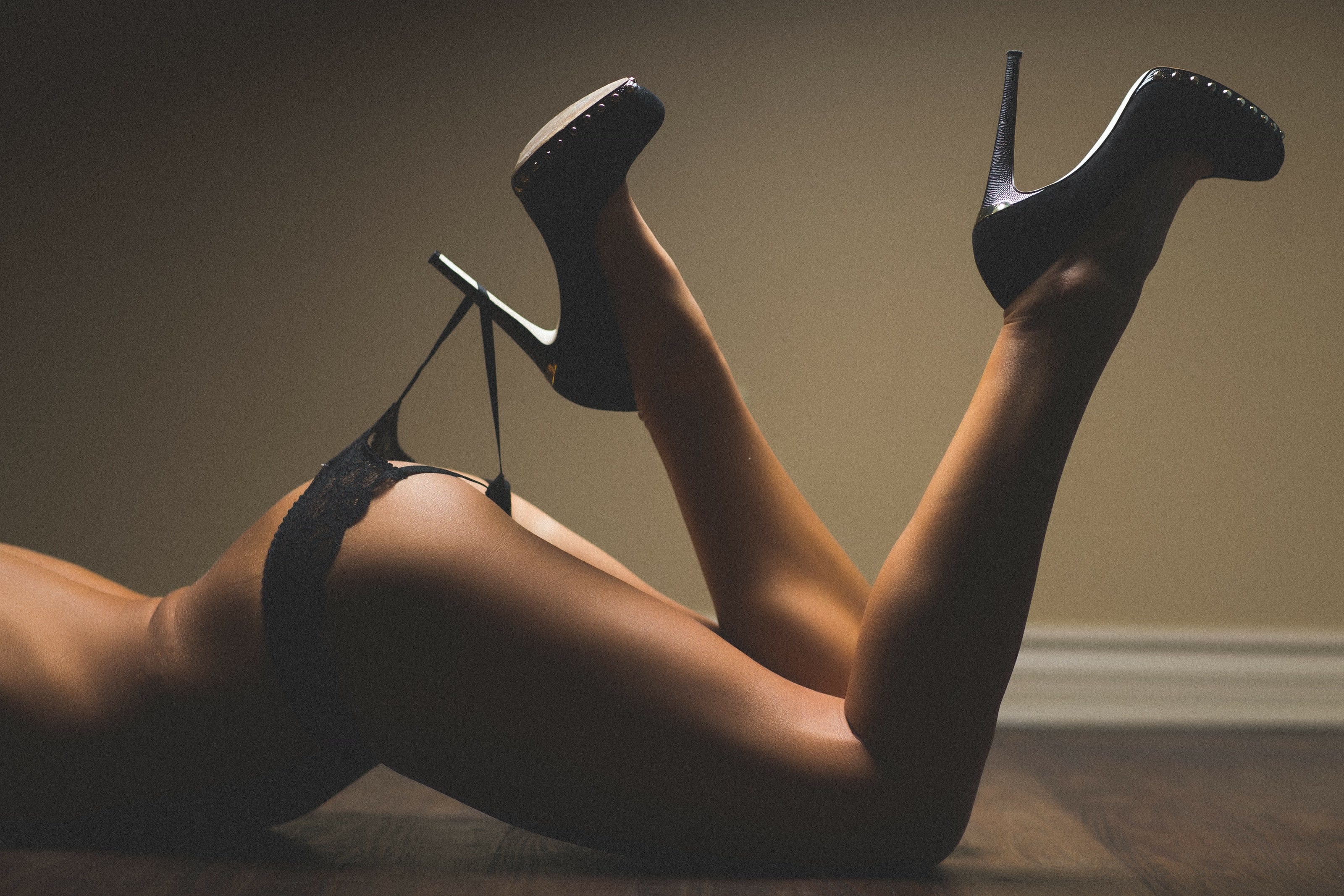
Faceless boudoir is a session shot so that your face is out of the frame, turned away, cropped above the shoulder, hidden behind hair, or softened out of focus. The camera stays on everything else. The line of a shoulder, the curve of a spine, hands on fabric, the shape a body makes against light. Nothing about the work gets smaller. You simply become unidentifiable in the final images while the photographs stay every bit as personal.
It helps to know why women choose this. Some hold jobs where a recognizable image circulating would be a genuine problem: teachers, nurses, attorneys, women in ministry or public roles across the metro. Some are not worried about anyone finding out and just do not love their own face on camera, which is a completely ordinary feeling. Some want a gift for a partner where the body is the point and the face is beside it. And some simply feel braver knowing the person in the picture cannot be pointed to by name. Every one of those is a good enough reason, and none of them requires an explanation to the studio.
Do you have to show your face in boudoir? The straight answer
No. You are never required to show your face, and choosing not to does not cost you anything or change the quality of the session. There is no faceless discount to negotiate and no faceless surcharge either. You tell your photographer at the consultation that you want the session shot face-optional, and the direction is built around that from the first frame.
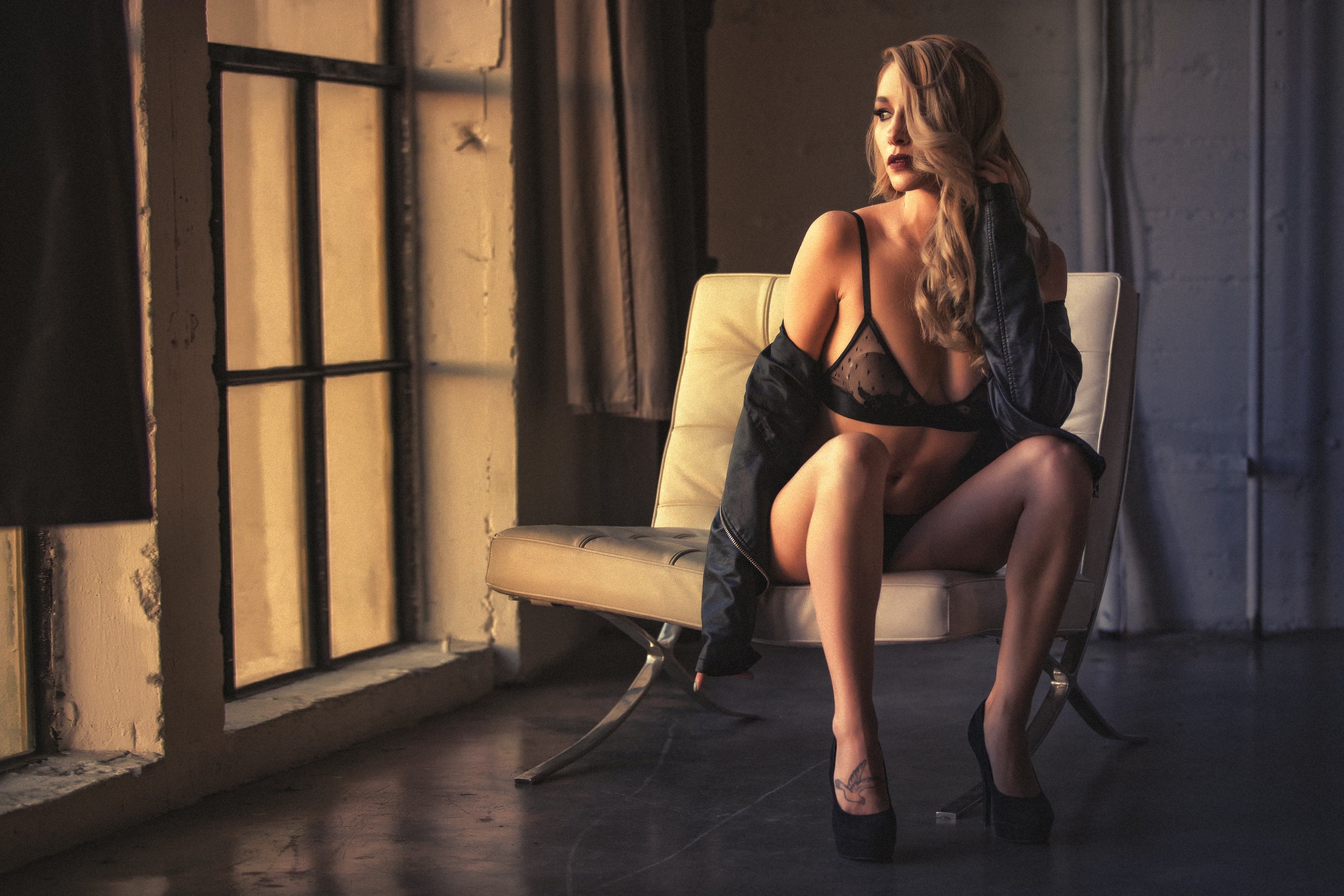
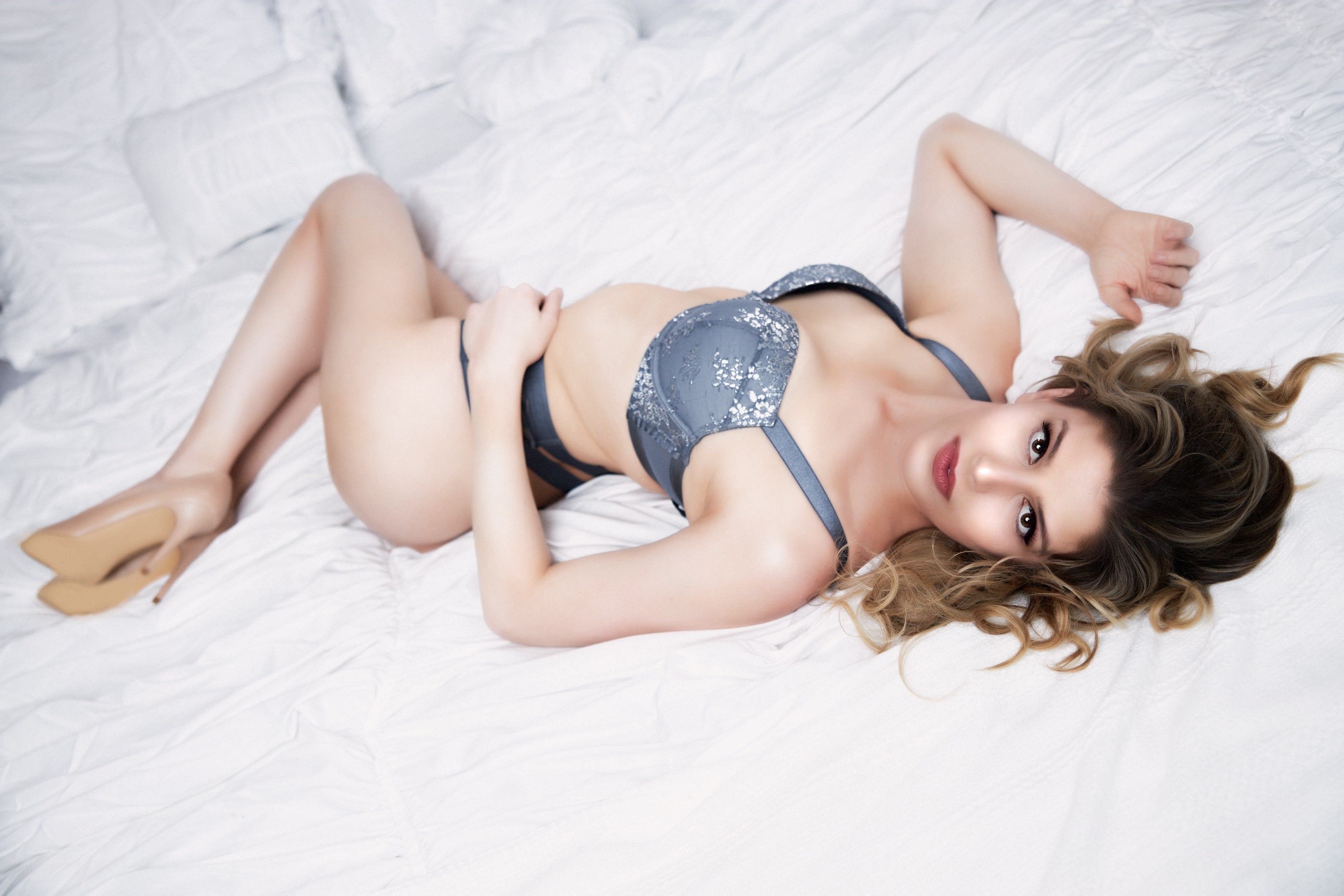
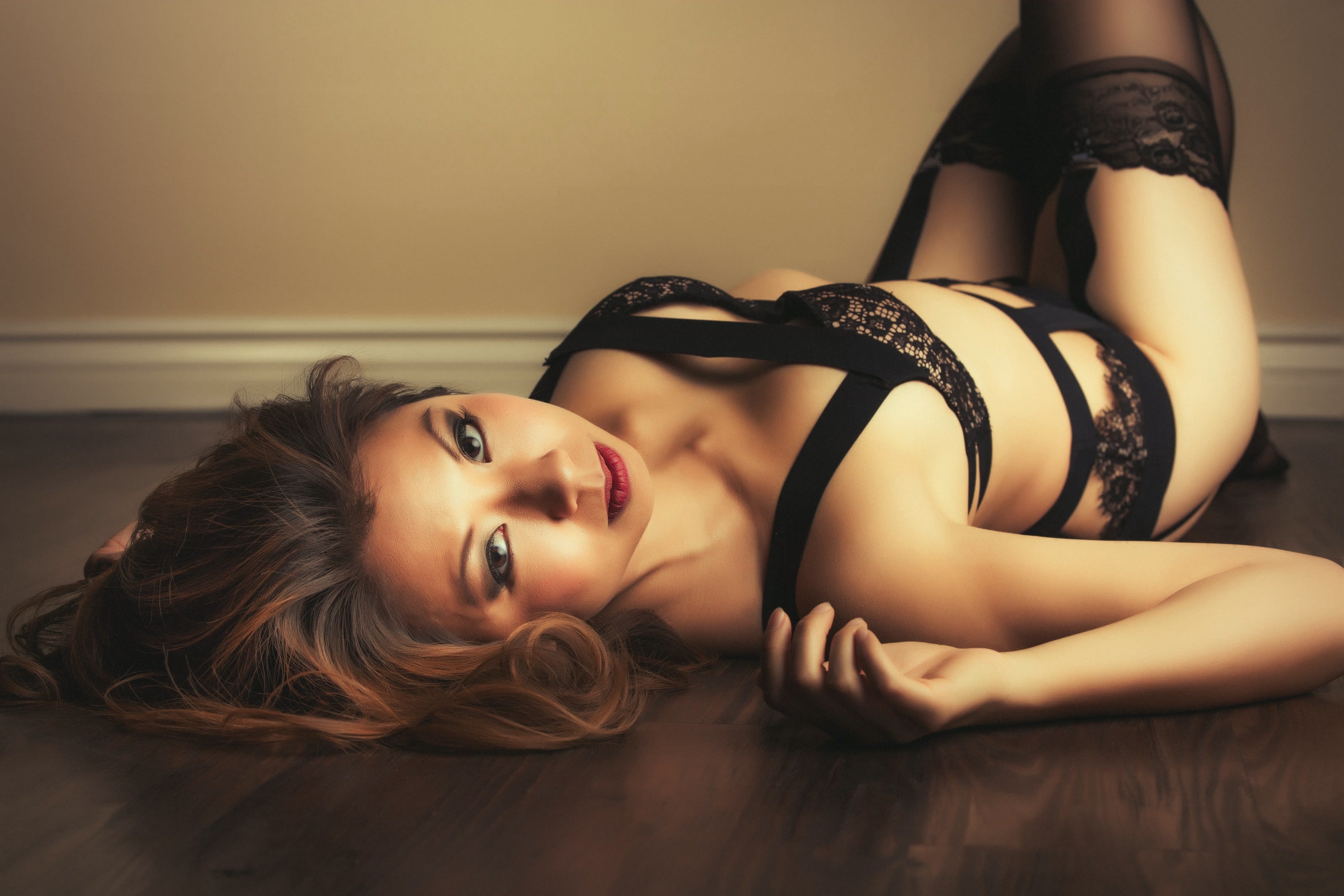
Most women who ask for this do not actually want zero face in the entire gallery. What they want is control. A common outcome is a session shot mostly faceless, with a handful of frames where the face is present but soft, half-turned, or in shadow, so you have the full range to choose from later. You are not locked into a single approach on session day. We shoot the faceless variations first so you are comfortable, then you decide in the moment how far you want to go.
Why faceless images are often stronger, not weaker
Women assume a faceless photograph is a compromise, a lesser version of the real thing. In practice the opposite is frequently true. When the face leaves the frame, the eye has nowhere to go but the shapes, the light, and the texture, and a well-directed body becomes the entire subject. These are some of the most editorial, fine-art images that come out of the studio, the kind that look at home printed large on a wall rather than tucked in a box.
This is why faceless work pairs so naturally with a fine art boudoir session, where the emphasis is already on form, light, and composition over a smiling portrait. A classic boudoir session can be shot face-optional just as easily if you want a warmer, more traditional look. Either way, the direction is what makes it work. We break every pose into small, specific movements, so the images read as natural and intentional rather than like a face was hidden after the fact.
How the direction works when the face is out of frame
The honest fear here is that a faceless session will feel awkward, like you are constantly ducking or twisting to keep your face away from the lens. It does not, because the framing does that work, not you. The photographer controls the angle, the crop, and the focus, so you are free to move naturally while the composition keeps your face out of the shot. You are not performing a hide-and-seek with the camera. You are being directed pose by pose, exactly the way any first-time client is.
If nerves are the real hurdle, that is normal and it fades fast. Most first-time clients are convinced they will freeze and not know what to do with their hands, and that feeling usually lasts about ten minutes. If you want the full picture of what walking in actually feels like, what the nerves actually feel like covers it honestly, and the experience page walks through the day from arrival to the final frame.
What to wear and how much to take off
Faceless and covered are two separate decisions, and it is worth keeping them apart. How much of your face is in the frame has nothing to do with how much clothing you wear. You can shoot a fully faceless session in a bra and jeans, in an oversized button-down, or in nothing at all, and you decide the level of coverage independently. If you are unsure where you land, boudoir coverage levels, explained lays out the honest range from fully clothed to implied nude, so you can pick what feels right before you book.
For faceless work specifically, texture and shape carry the image, so bring wardrobe that reads well without a face to anchor it. Fabrics that catch light, strong silhouettes, a partner's shirt, delicate lace, or simple skin against a clean background all work beautifully. Professional hair and makeup is available as an add-on and many clients still take it, since hands, collarbone, and the back of the neck all show, though it is not included in the session fee and plenty of clients who are going fully faceless skip it entirely.
Faceless is not the same as private, and you get both
It is worth separating two things that often get bundled together. Faceless is about what the camera captures. Privacy is about who ever sees the images and what the studio is allowed to do with them. A faceless session gives you the first. The studio's standard practices give you the second, and you get both at once.
Even in a faceless session, your images are yours. Without a signed release, nothing is posted, shared, or shown to anyone. The doors lock during the session, your files stay inside the studio's own workflow, and your reveal is just you and the studio. For the full breakdown of releases, file storage, and who sees your photos at each step, how privacy and the image release actually work spells it out in plain terms. Faceless simply adds another layer on top of protections that are already there.
Some clients ask whether the face can simply be edited out afterward instead of shot that way. It is possible, but shooting faceless from the start almost always looks better than a retouched removal, because the composition is built for it. If you are curious how much editing happens in general, how much do you retouch explains the studio's approach to keeping images looking like you rather than like a filter.
Booking a faceless session in Dallas
A faceless session books the same way any other does. You reach out, we talk through your comfort level, your wardrobe, and how much face, if any, you want in the final gallery, and we plan the session around that. The studio serves clients across the metro, and you can see the sessions, the service area, and everything in one place on the Dallas boudoir photographer hub. Session structure is simple and the current pricing lives on the investment page, so it stays in one place and never goes stale in an old article.
If the only thing standing between you and a session has been the thought of your own face in the pictures, faceless boudoir removes it completely, and you stay in control of every frame. When you are ready to talk dates, wardrobe, and exactly how face-optional you want to go, send us an inquiry and we will answer every question before you commit to anything.