September 18, 2026
Fitness boudoir in Dallas: how a session photographs strength and definition
Fitness boudoir in Dallas photographs the strength and definition you trained for. A studio photographer on light, posing, and timing an athletic session.
By Jennifer Marilyn
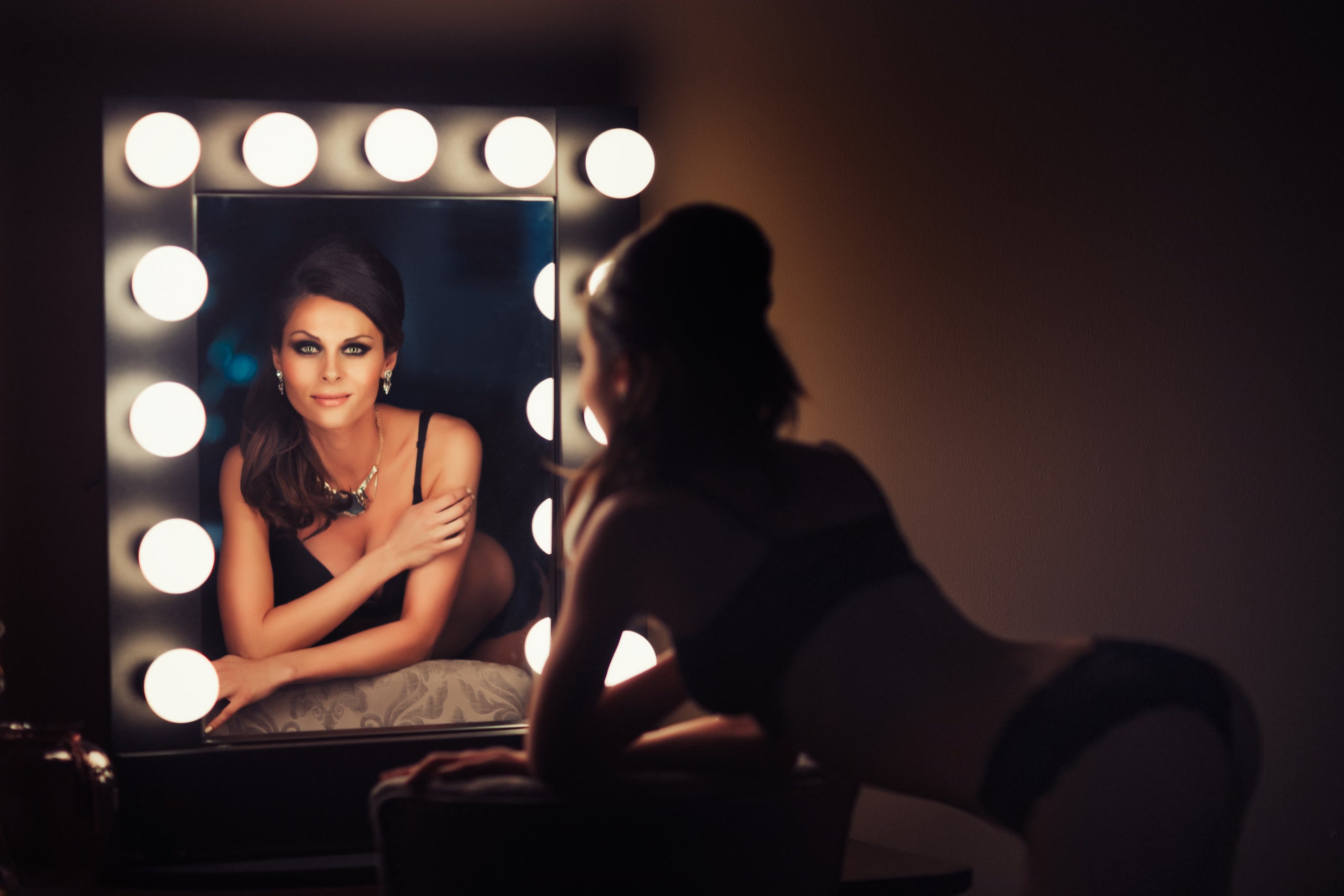
Fitness boudoir in Dallas is for the woman who has spent years building something and has almost nothing to show for it but a phone full of bad gym-mirror photos. You know the frame you were after. Fluorescent light overhead, the mirror smudged, the pose held for a second before it felt ridiculous. The definition you worked for was there in the room and gone in the picture. A studio session exists to close that gap, and it closes it with the same three tools that shape every good photograph. Light, angle, and direction.
This post is a straight answer about what an athletic session actually captures, how it differs from a classic session, and when in your training year it makes sense to book.
What a fitness boudoir session in Dallas actually captures
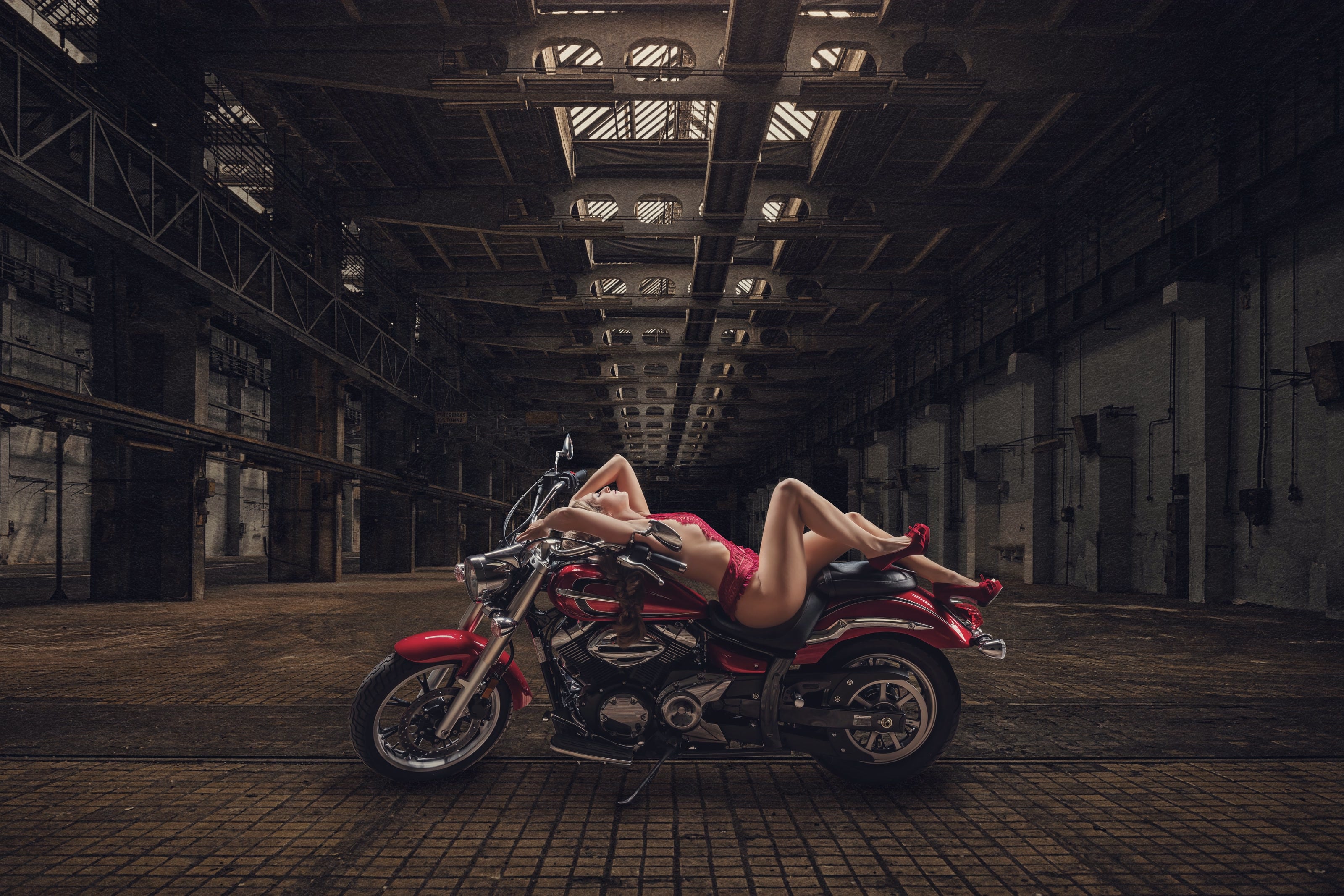
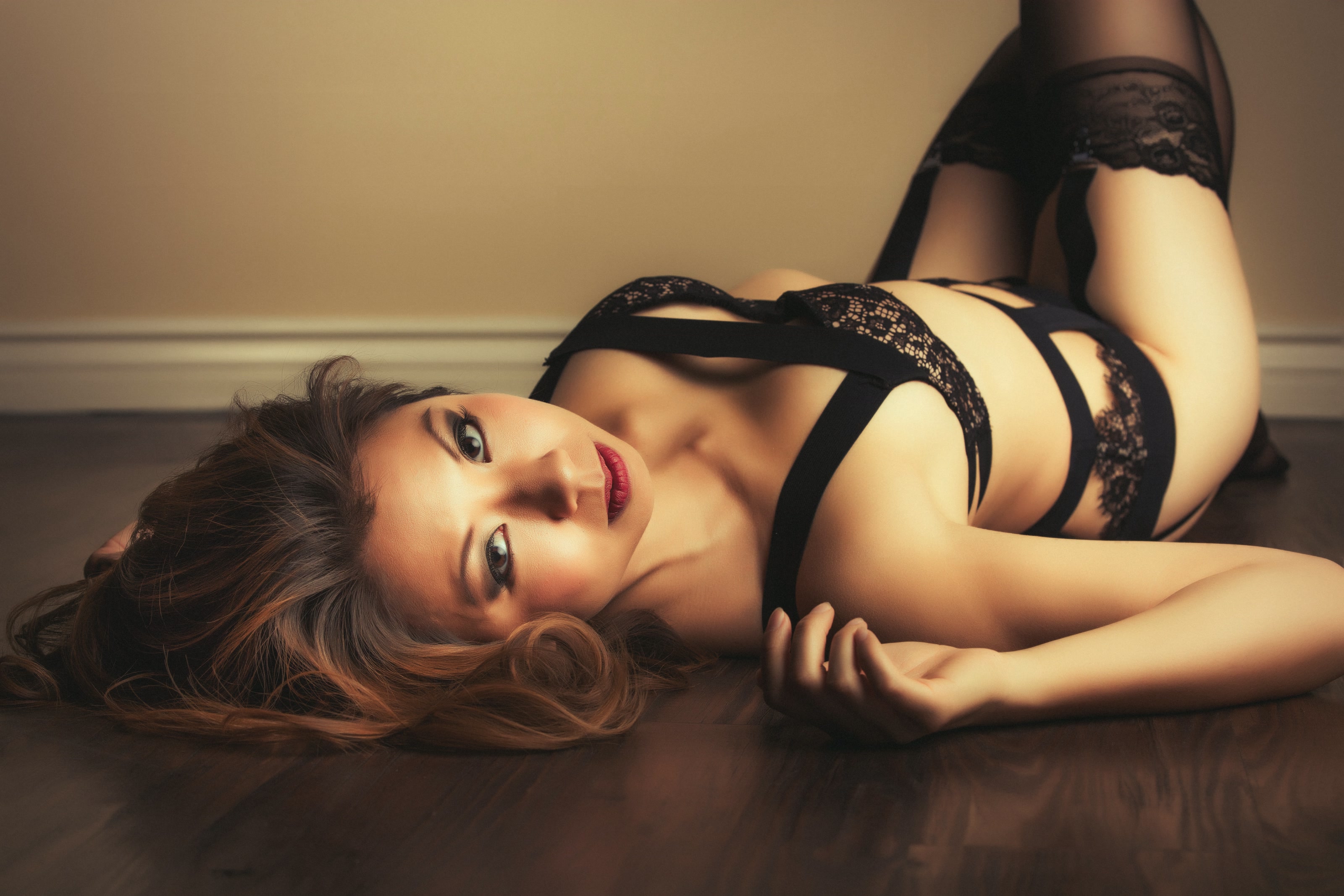
Muscle is a light problem before it is anything else. Definition on the body is not a property of the muscle itself. It is the shadow that falls into the line between one muscle and the next. Flat, even light erases those lines, which is exactly why the overhead fixture at the gym makes everyone look softer than they are. A session built around directional light does the opposite. Light raked across the body from the side drops a clean shadow into every separation, and shoulders, back, and midline read the way they feel after a good set.
That is the entire trick, and it is not a trick. It is the reason a woman who trains hard can look strong in a photograph and also look strong in the mirror and never quite get both into the same frame with her phone. The phone sits flat, the ceiling light sits flat, and the work disappears. Move the light to the side and it comes back.
Angle does the second half. A camera placed slightly above the line of the collarbone, with the body turned three quarters to the light, lengthens the torso and lets the shoulders and waist do their work. None of this requires you to be at a particular body-fat percentage or holding any kind of pump. It requires someone behind the camera who knows where to put it.
How it differs from a classic session
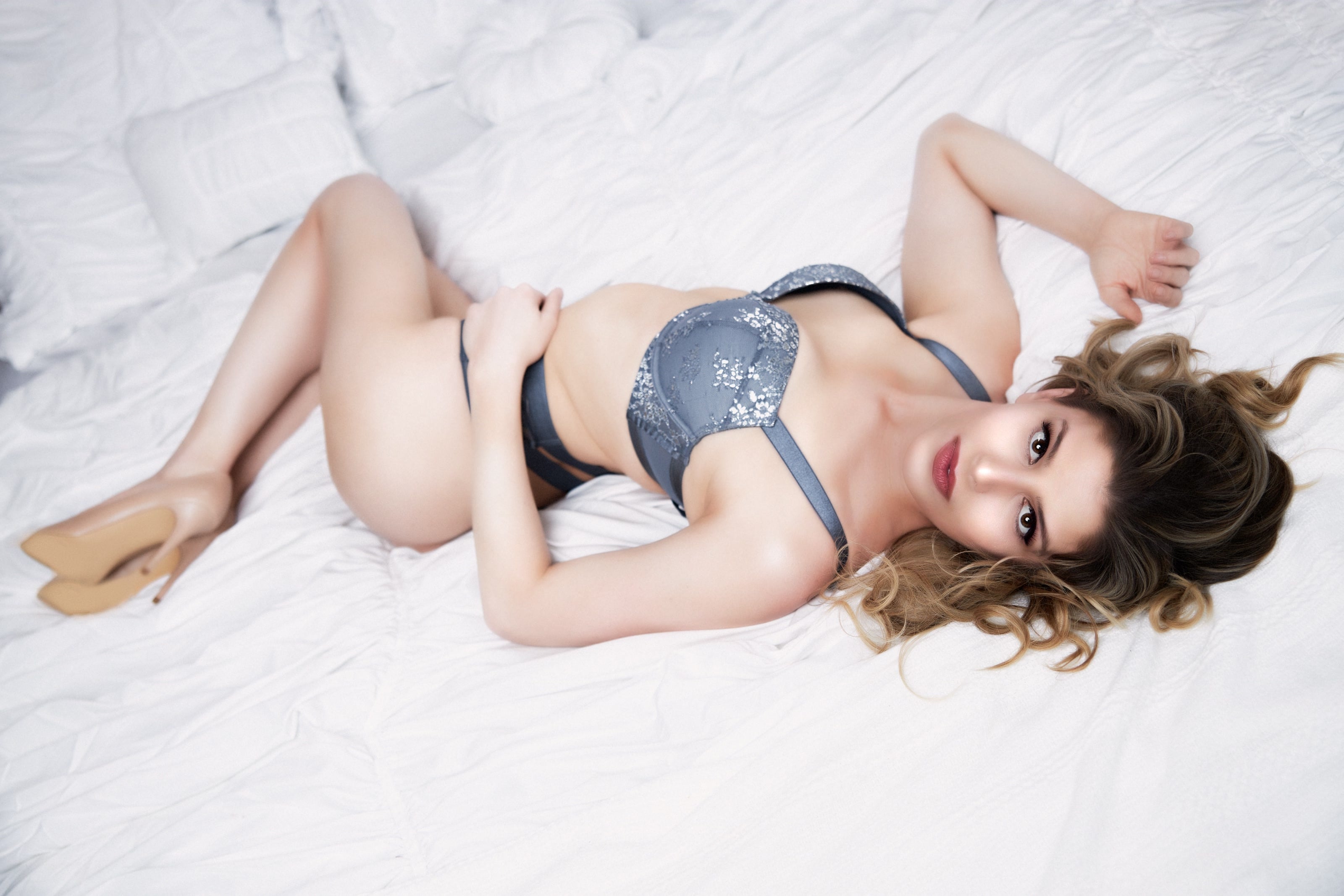
A classic boudoir session is built around softness, intimacy, and a slower kind of light. A fitness session keeps the intimacy but changes the lighting logic. The light gets harder and more directional so that structure shows. The posing engages the body instead of relaxing it. A shoulder pressed down and back, a foot planted to load the leg, a hand that pulls rather than rests. These are small, deliberate positions, and they are the difference between a photo that looks like you are lying down and a photo that looks like you could stand up and lift something.
If your goal leans more sculptural, toward strong black-and-white frames that treat the body as line and form, a fine art session is often the better fit. If you want the polish of hair, makeup, and a more magazine-cover finish over the athletic frames, look at the glamour session. Most fitness clients land somewhere between classic and fine art, and we decide the exact balance during planning rather than guessing at it on the day.
You do not need to know how to pose
This is the fear that keeps athletic women from booking, and it is misplaced. Being strong does not mean you know how to stand in front of a camera, and there is no reason it would. Posing an athletic body is its own skill, and it is our job, not yours. You get told where the weight goes in your back foot, how far to turn, where the chin sits, what the hands are doing. Position gets adjusted continuously, in small increments, until the frame holds. We wrote about exactly how that direction works in boudoir posing and direction, because it is the single thing new clients worry about most and the single thing they need to worry about least.
The practical upside for a fitness session is that a body used to training already knows how to hold tension on command. When we ask you to press a shoulder down or brace a core, you can do it, and you can hold it long enough for the frame. That control shows up in the pictures.
Wardrobe for a fitness session
The rule here is simple. Fit beats everything. A piece that fits the body you have right now will always photograph better than something bought for a body you are planning on, and fit reads instantly in a frame. For athletic sessions, the strongest wardrobe is usually the most stripped back. High-waisted pieces that show the midline, simple bralettes, well-fitted bodysuits, a sports bra and shorts styled deliberately rather than pulled from the laundry. Fussy lace tends to compete with the lines you came to photograph. Clean shapes get out of the way and let the body carry the picture.
Bring options and we will build the running order together. Our wardrobe guide covers the general principles, and everything in it applies here, with the added note that for a fitness session you want fit and simplicity over ornament.
Skin does more work than most people expect in these frames. Directional light that reveals muscle also reveals texture, so a light, even application of body oil or a matte lotion helps the light travel cleanly. Professional hair and makeup is available as an option if you want it, and it photographs beautifully, though plenty of fitness clients keep the look minimal so the frames stay about the body rather than the styling.
When in your training year to book
Here is the question athletic clients ask most, and it deserves a real answer instead of a pep talk. There is no perfect condition you have to reach first. Chasing one usually just moves the session further away, which we wrote about at length in waiting until you lose weight to book. The photograph is built from light, angle, and posing far more than from the number on the scale on any given morning.
That said, if you train on a cycle, there are windows that photograph slightly better than others. The days after a peak, or the end of a training block when you feel strongest, tend to be when women want the record made. If you compete, the week or two after a show, before you fully rebound, is a common favorite. If you do not compete, book when the calendar is clear and you can show up rested and hydrated rather than the morning after a brutal leg day when everything is tight and sore. None of these windows is required. They are just the ones clients tend to prefer once they know they exist.
The other timing reality is scheduling. Good dates fill, especially heading into gift season, so it is worth reaching out before the exact week you have in mind rather than after.
The studio, and the drive
The studio sits in McKinney, north of Dallas, and clients come in from Frisco, Prosper, Allen, Plano, and further out across the metroplex for these sessions. It is a private space, which matters for a shoot where you may be moving through a lot of wardrobe and want no audience for any of it. If you want the full picture of how a day runs, from arrival through the reveal, the experience page walks through it start to finish, and the investment page covers session options, products, and financing so you can plan the whole thing before you commit.
A fitness boudoir session turns years of quiet, unglamorous work into something you can actually hold. Not a phone screenshot you will scroll past, but a real record of what you built. When you are ready to make that record, send us an inquiry and we will start planning the frames.