August 12, 2026
Waiting until you lose weight to book boudoir: what actually changes the photo
Should you lose weight before a boudoir session? A Dallas photographer on what a few pounds actually does to a photograph, and what changes it far more.
By Jennifer Marilyn
The most common thing women tell us when they first reach out is some version of the same sentence. I want to book, I just want to lose fifteen pounds first. Sometimes it is ten. Sometimes it is a number they have been carrying for three years. The inquiry comes in, we answer, and then the conversation goes quiet until the following spring, when a nearly identical message arrives from the same person.
This post is about that pattern, and about what a photographer actually sees when the weight question comes up. It is not a pep talk. It is a straight answer about what changes a boudoir photograph and what does not.
The waiting rarely ends on its own
Here is the part worth naming first. The fifteen pounds is almost never really about fifteen pounds. Women who reach that number frequently write back and set a new one. The goalpost moves because the discomfort was never located in the number to begin with. It was located in the idea of being photographed at all, and the weight gave that discomfort somewhere reasonable to live.
That is not a criticism. It is an extremely normal way for a person to handle a thing they want and also dread. But it means the plan of "book once I am ready" has a flaw built into it, because readiness defined that way tends to recede.
If you have been meaning to do this for more than a year, the weight is probably not the obstacle. The nerves are, and those are worth naming directly. We wrote about what those first thirty minutes genuinely feel like in what the nerves actually feel like.
What fifteen pounds does to a photograph
Less than you think. Considerably less.
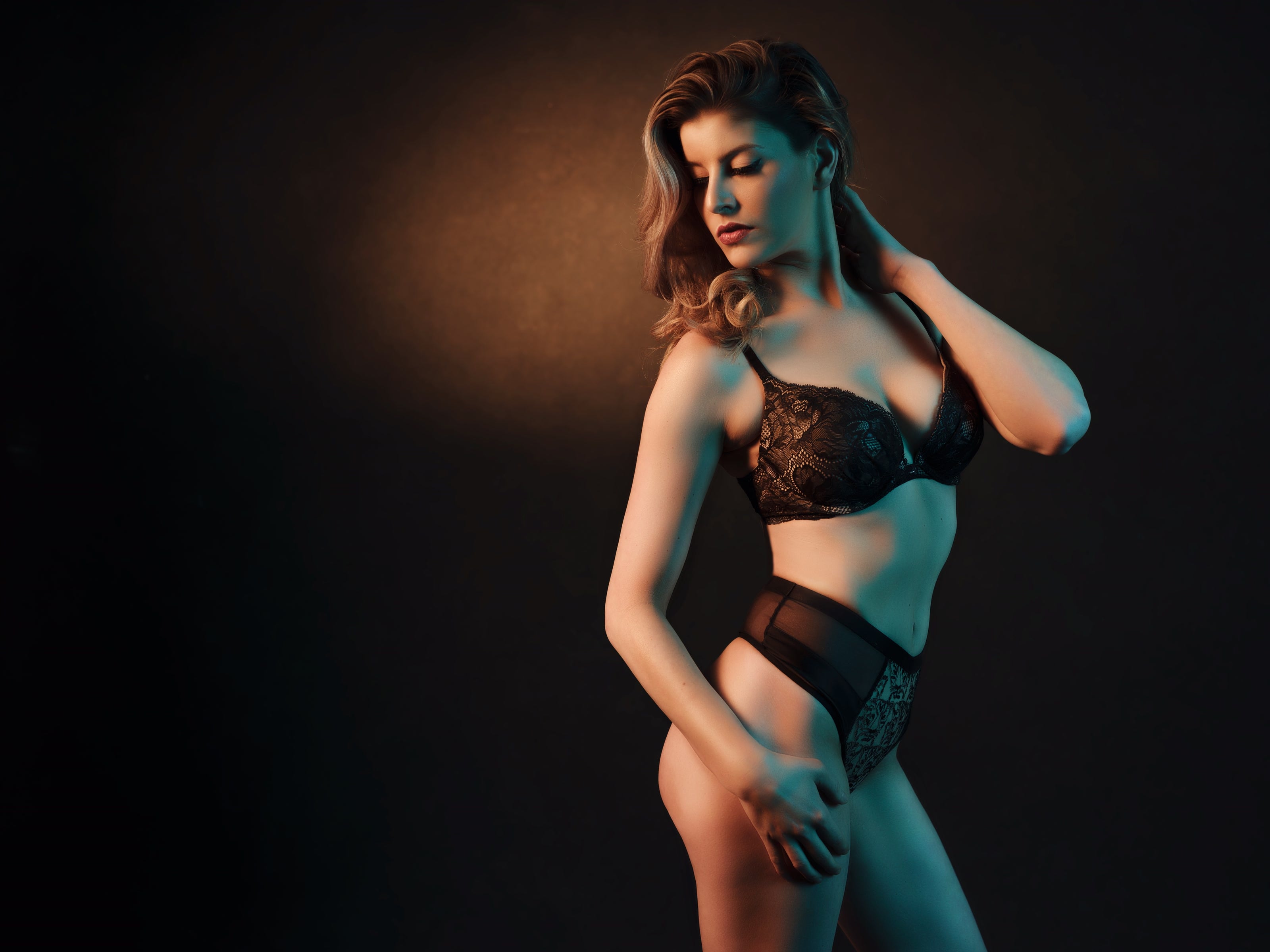
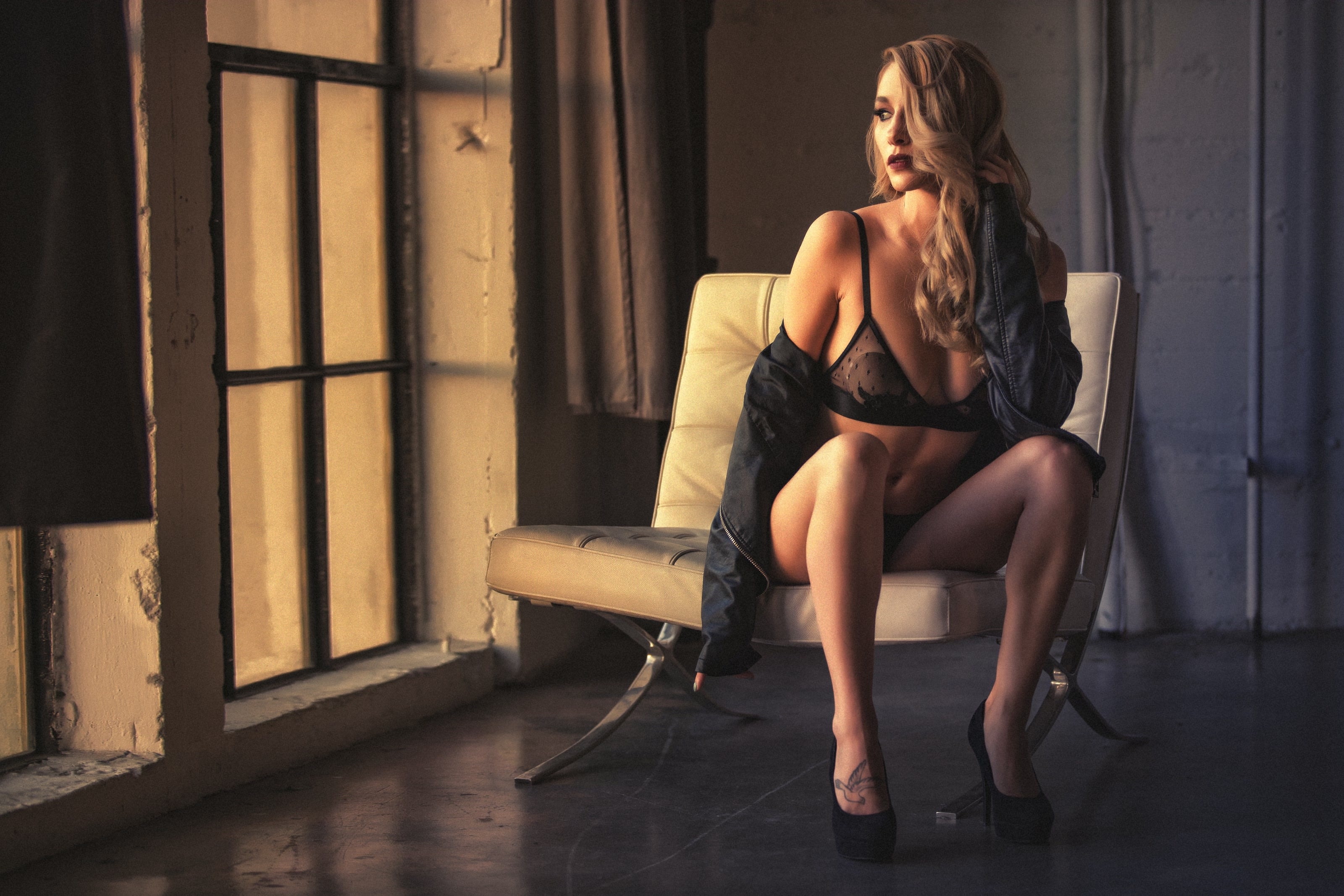
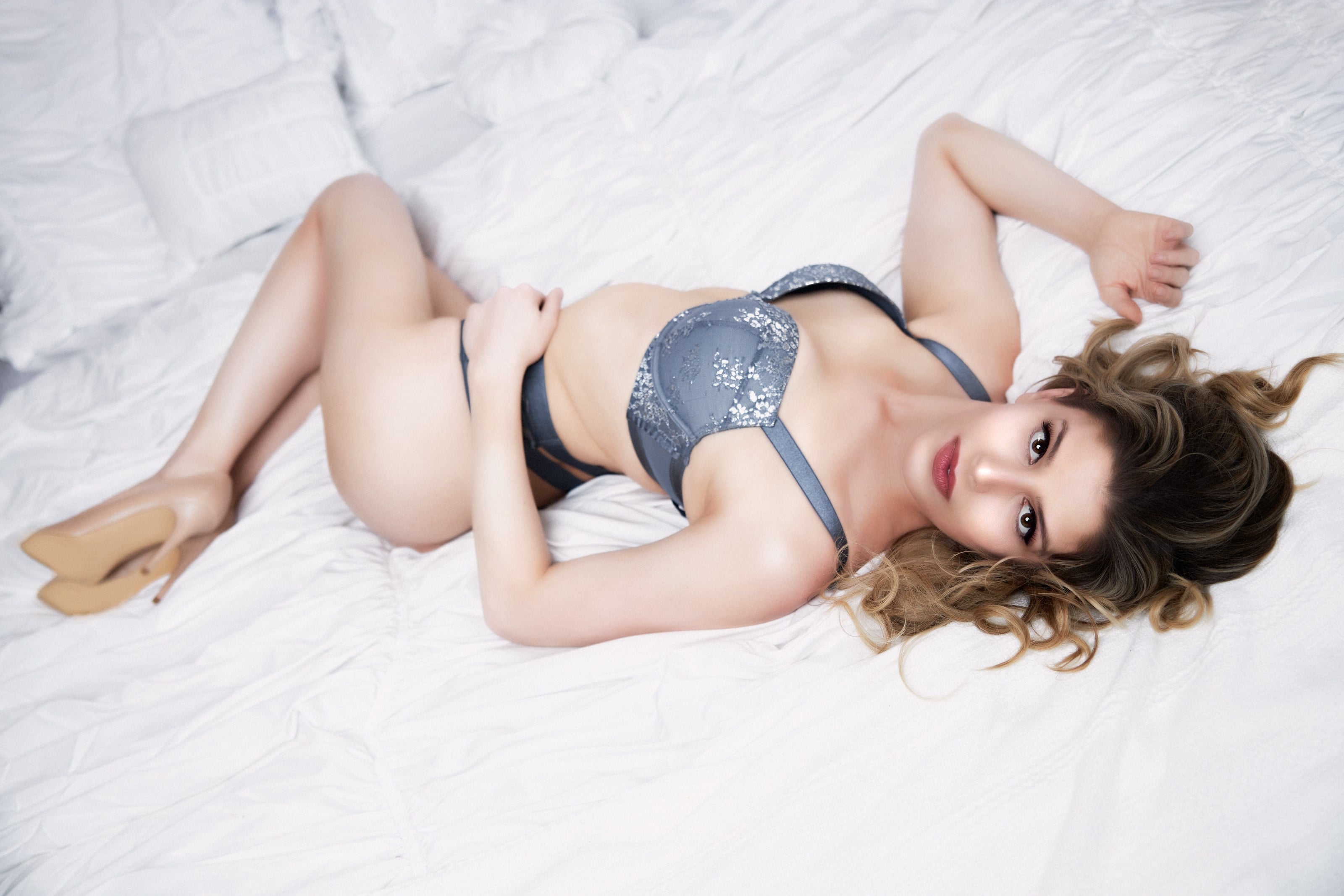
A boudoir photograph is built out of four things: the angle the camera sits at, where the light falls and where it does not, how the body is positioned, and what the fabric is doing. Body weight is a small input into a system where those four variables are doing the heavy lifting. Two frames of the same person, taken twenty minutes apart in the same session, can look like meaningfully different bodies depending on how those four things were set.
This is not flattery and it is not a trick. It is the actual mechanics of the work. A camera placed slightly above eye level with the light raking across from the side produces a very different result than a camera at hip height with flat frontal light, and neither of those has anything to do with what the scale said that morning.
Clients see this at the reveal more clearly than any explanation can deliver. The frames they linger on are almost never the ones they predicted. They came in braced about a stomach or an upper arm and they leave fixed on a frame where the light caught a collarbone and their face was doing something they had not seen in a photo in years.
What actually changes the photo
Direction. This is the largest variable by a wide margin, and it is the one most people do not know exists until they are in it. You are not left standing there to figure out what to do with your hands. Position gets adjusted continuously, down to where the weight sits in the back foot and what the fingers are doing. We covered this in detail in boudoir posing and direction, because it is the single most common thing new clients are anxious about and the single thing they need to worry about least.
Light. Directional light does structural work. It builds shadow where shadow serves the frame and keeps it off the places it does not. A studio built around controlled light behaves nothing like a phone camera under a bathroom fixture, which is the comparison most women are unconsciously making when they imagine how a session will go.
Wardrobe fit. This is the underrated one, and the only place where the weight question has a real practical answer. A piece that fits the body you have right now will always photograph better than a piece bought for a body you are planning on. Fit reads instantly in a photograph. Aspirational sizing reads instantly too. If you take one practical thing from this post, take that one. Our wardrobe guide walks through what works.
Time in the room. The frames from the last third of a session are usually the strongest, because by then the self-consciousness has burned off. That has nothing to do with body composition and everything to do with having been in front of the camera for ninety minutes.
If you are genuinely mid-journey
Sometimes the weight loss is not an excuse. It is a real, active thing with a real timeline, and the question is honest: should I wait until I am done?
Two thoughts.
First, if you are actively training or in a structured program with a defined end point, booking at the end of it is completely reasonable, and a lot of women do exactly that. That session tends to carry a different charge, and we wrote about it in boudoir after weight loss or postpartum.
Second, and less obviously: consider doing both. Some clients photograph the middle of the process rather than only the end, and those frames age surprisingly well. The version of you partway through is a real person who existed and worked hard, and she generally does not get photographed at all.
What we would gently push back on is waiting on a number with no plan attached to it. That is the version that tends to consume years.
The body you are actually worried about
Most women arrive with one specific area they have decided is the problem. It is usually the stomach, sometimes the arms, sometimes the thighs. They mention it in the consultation with a slightly apologetic tone, as though warning us.
It is genuinely useful information and worth telling us, because it changes how we build the session. It tells us where to place the camera and how to sequence the wardrobe. But it is a production note, not a verdict. Every single session includes this conversation. There has never been a client who did not have one.
If you want the fuller version of how direction and light work together across different bodies, plus-size boudoir in Dallas covers the mechanics in more depth, and the principles in it apply well beyond the specific audience in the title.
How the session is built
A session runs a couple of hours with several wardrobe changes, which gives us enough range to find what works rather than betting everything on one look. Professional hair and makeup is available as an option, and most clients take it, largely because handing that step to someone else removes one more decision from the morning.
You can see the full day-of walkthrough on the experience page. If you are weighing session types, classic boudoir is where most first-time clients start, and fine art boudoir leans more sculptural and shadow-driven. Current pricing lives on the investment page.
Where this happens
The studio is in McKinney, which puts it within a manageable drive for most of the north side of the metro, and clients come in regularly from Frisco, Plano, Allen, and further down the tollway from Dallas proper. The full service area is on the Dallas boudoir photographer page.
The thing worth remembering is that there is no version of this where the camera is waiting to catch you out. The camera is being aimed, deliberately, by someone whose entire job is making the frame work. That is true at whatever number you are at today.
If you have been putting this off until some future condition is met, send us an inquiry and let us talk through the timing honestly. We will tell you plainly if waiting makes sense for what you want, and we will tell you just as plainly if it does not.