September 9, 2026
Vintage and pinup boudoir in Dallas: retro glamour that still looks like you
Vintage boudoir in Dallas, from pinup poses to old Hollywood glamour. How the retro look works, what to wear, and how to keep it from becoming costume.
By Jennifer Marilyn
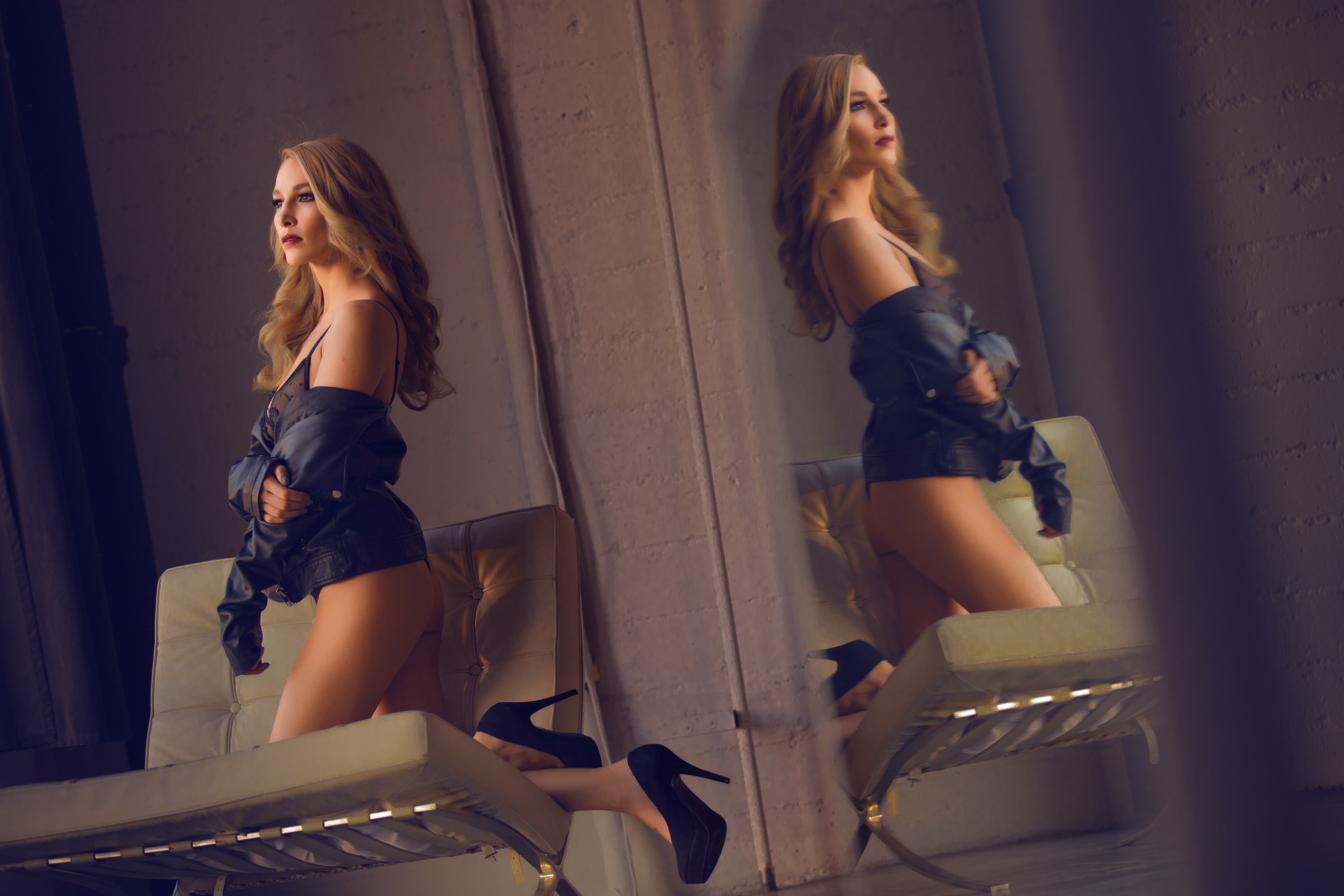
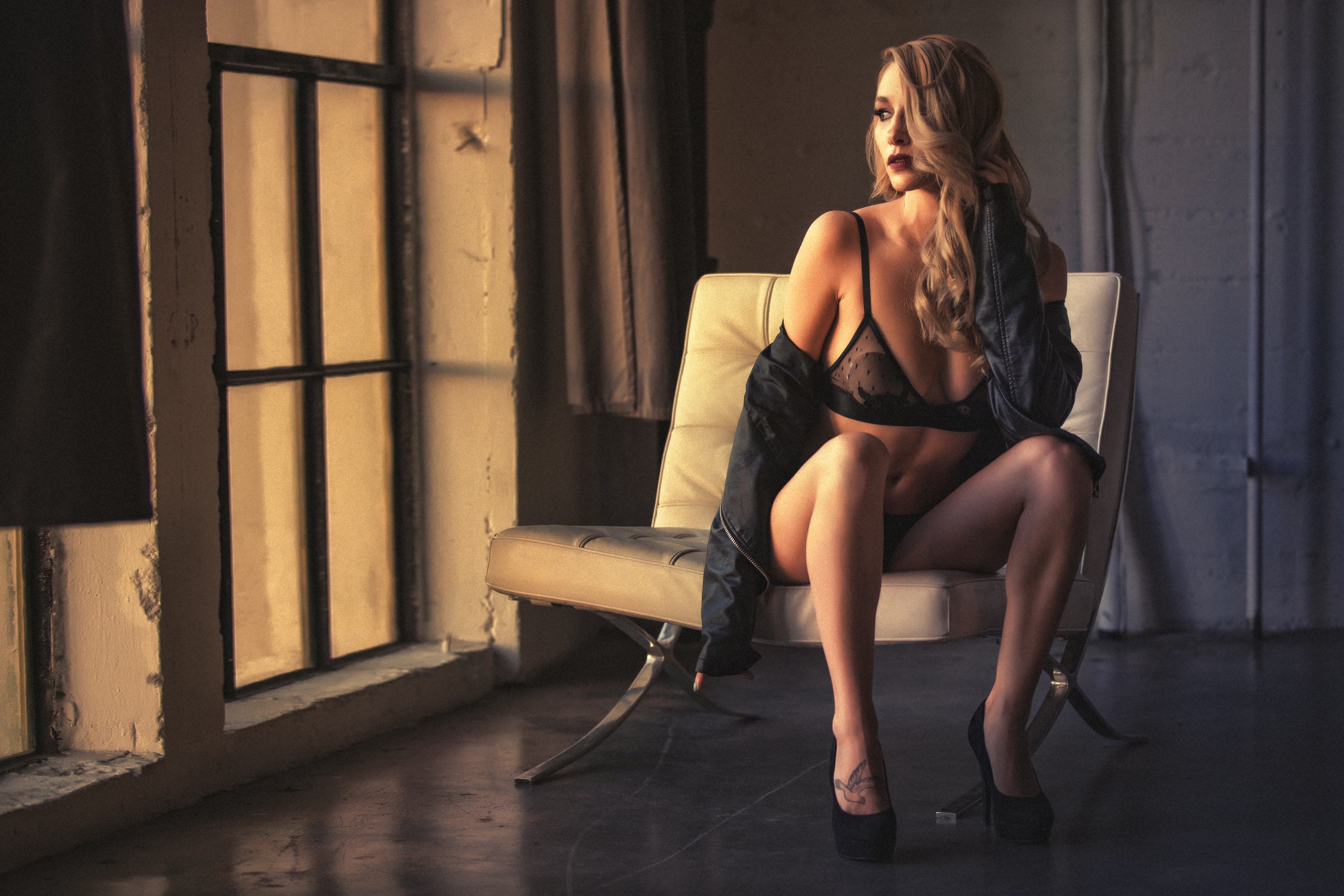
Vintage boudoir in Dallas usually starts with one image saved on a phone. A red lip and a wink. A woman in a black slip looking over her shoulder in soft, directional light. Marlene Dietrich in a tailored suit. A 1950s pinup with a high ponytail and a knowing smile. The pull is real, and it is not nostalgia for its own sake. Retro portraiture holds up because it was built on craft: deliberate posing, hard-earned light, and a point of view. This is a plain guide to how a vintage or pinup session works at our McKinney studio, what actually creates the look, and how to keep it from tipping into costume.
What vintage boudoir and pinup actually are
The two words get used interchangeably, but they point at different eras and different energy.
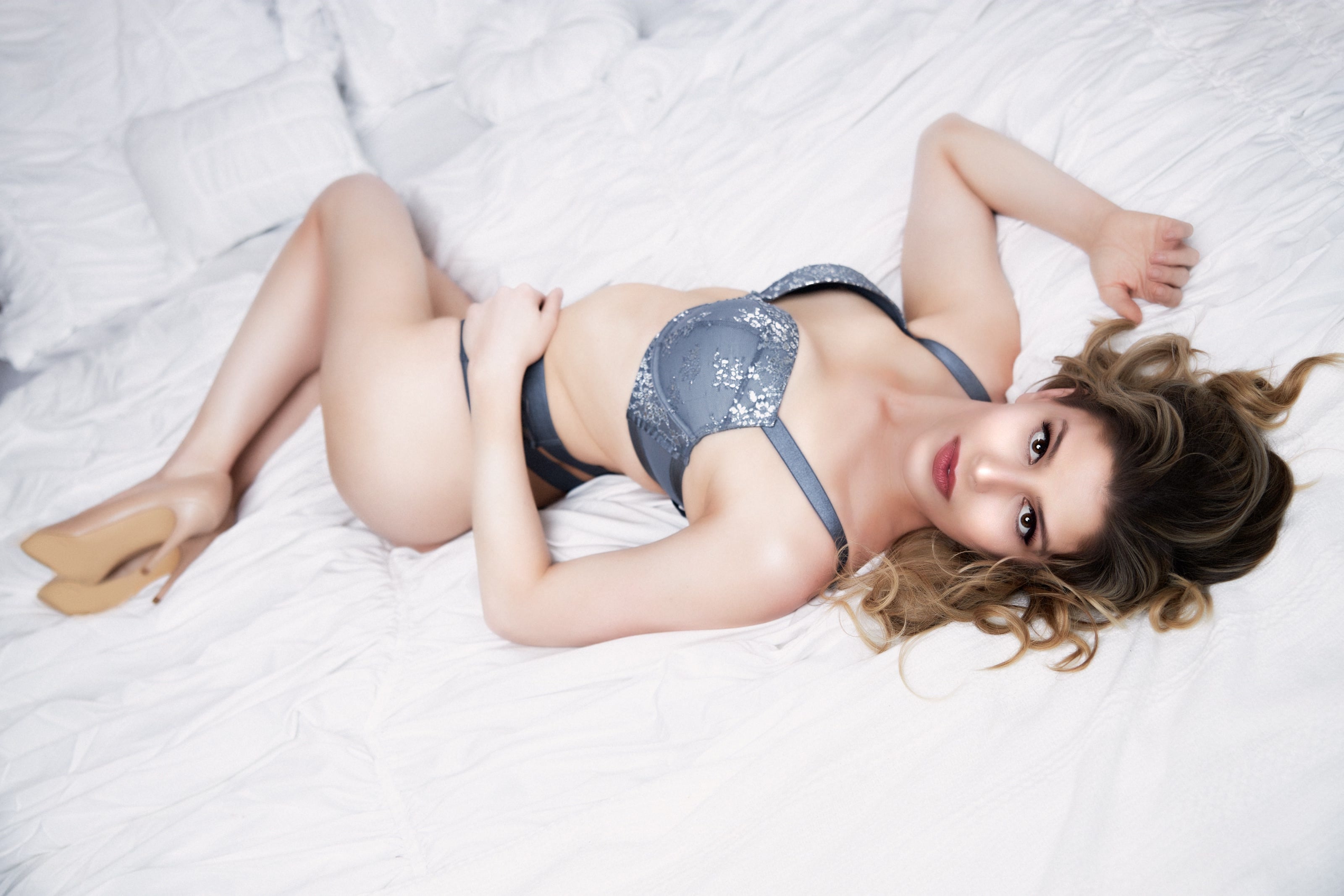
Pinup is mid-century, roughly the 1940s and 1950s. Think bright, playful, and a little cheeky. Victory rolls or a high ponytail, a winged eye, a bold lip, and poses that are more mischievous than sultry. The classic pinup is caught mid-motion: a glance back, a hitched hem, a laugh. It reads as fun first.
Vintage glamour reaches back a little earlier and a little moodier, into the 1930s and old Hollywood. Slips and satin, marcel waves, deep shadow, and a stillness to the posing. Less wink, more gaze. This is the register that shades naturally toward our glamour and fine art boudoir work, where the light does most of the talking.
Neither one is a costume party. The best retro portraits borrow the grammar of the era, the light and the lines and the restraint, and then let a real woman occupy it. You should still look like yourself when it is done.
Why the look works in a photograph
Vintage styles have survived because they solved photographic problems that have not changed. Directional light with real shadow gives a face structure. A defined lip and a clean brow read clearly even in black and white. Posing that turns the body rather than facing it flat creates line and shape. These are the reasons a 1940s studio portrait still looks composed while a lot of modern phone snapshots do not.
That is also why so many retro sessions end up in monochrome. Strip the color and you are left with light, shape, and expression, which is exactly what these eras were built around. If the pull toward vintage is partly a pull toward that timeless quality, it is worth reading why the color leaves and the picture stays before your session, because a lot of vintage frames are strongest in black and white.
Wardrobe: where the era lives or dies
Retro reads through wardrobe more than anything else, and it is the easiest place to get it wrong. A few things that consistently work:
- A slip or a bias-cut satin piece. Nothing says 1930s glamour faster than satin that catches light. It photographs beautifully and it is comfortable to move in.
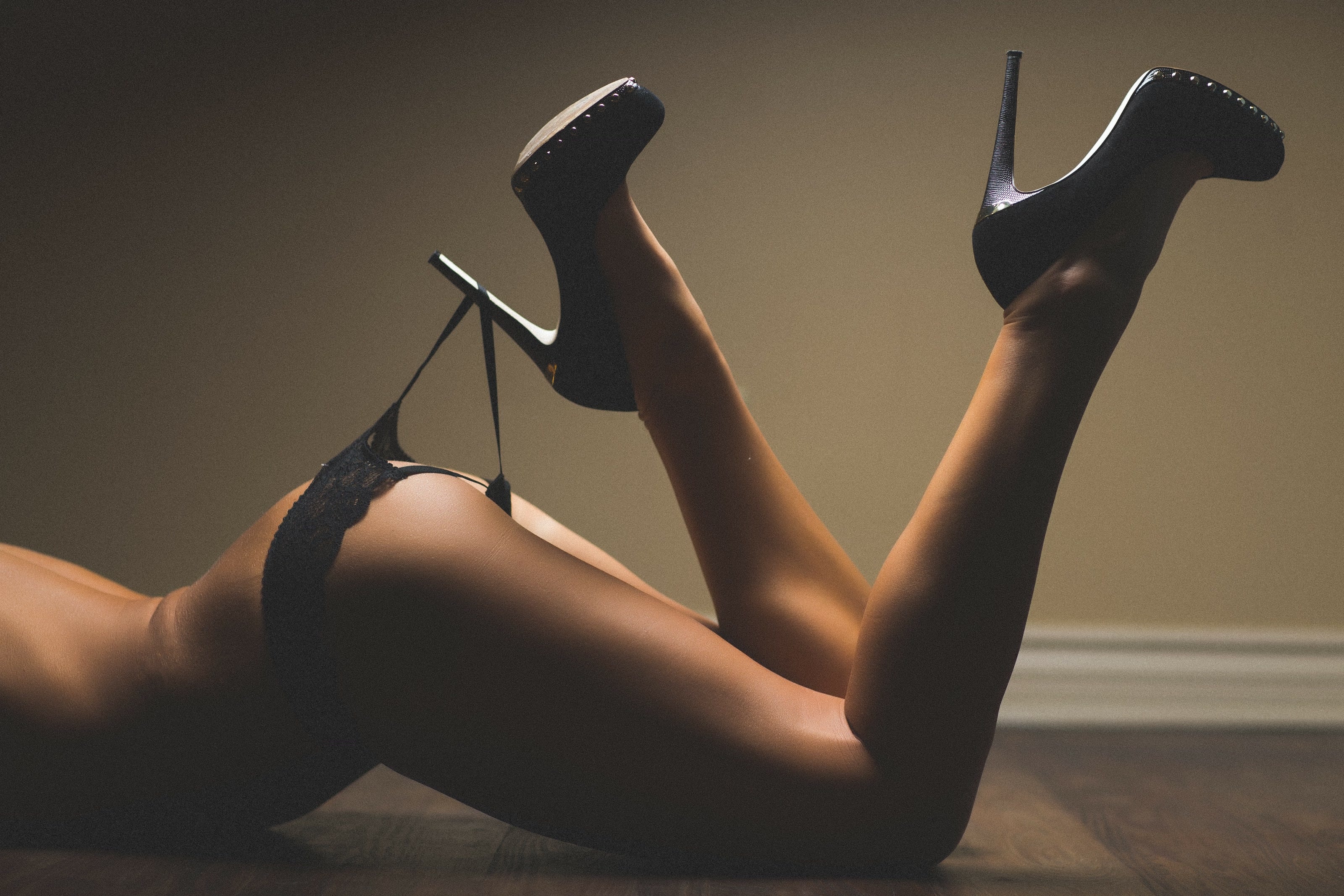
- High-waisted bottoms. The mid-century silhouette lives at the natural waist, not the hip. High-waisted briefs, a garter belt, or tailored shorts do more for the pinup line than almost anything else.
- A structured bra or bullet-style cup for pinup, or a soft bralette for the moodier vintage look.
- One tailored menswear piece. A crisp white shirt, a blazer worn open, a man's tie. The Dietrich register. It is one of the most photogenic things you can bring, and it costs you nothing to pack.
- Texture over logos. Lace, satin, silk, sheer. Anything with a visible brand or a modern cut breaks the spell instantly.
You do not need to buy a full period wardrobe. Two or three well-chosen pieces carry a session. For the broader rules on choosing pieces that fit and photograph well, our what to wear guide applies here too, just weighted toward the retro end of the closet.
Hair and makeup do the heavy lifting
More than any other style, vintage and pinup live and die on hair and makeup. A victory roll, a marcel wave, a clean red lip, a defined winged liner. These are specialized skills, and they are the difference between "vintage-inspired" and "actually looks like the reference."
Professional hair and makeup is available as an add-on for any session, and for a retro look it is worth strong consideration rather than treating it as optional. A pinup set built around period hair and a bold lip is a genuinely different result than the same woman in her everyday routine. If you are weighing it, here is how the glam option actually works, including timing and what to arrive with.
If you would rather do your own, that is fine. Come camera-ready, bring the lip color you love, and we will build the rest around it.
What a vintage session looks like at the studio
The day itself follows the same shape as any of our sessions, which you can read in full on the experience page. You arrive, settle in, and we start with the wardrobe that feels most like you before we move toward the boldest look. Nobody is expected to walk in knowing how to pose like a 1950s cover model. That is my job. I direct every frame, small adjustment by small adjustment, chin down a touch, weight to the back foot, glance to the window. The retro poses are actually easier to be directed into than people expect, because they are specific. There is a right place for the hand, and once you find it, you feel it.
We shoot in the McKinney studio, which sits just off US 75 and serves clients across the northern suburbs and greater Dallas. The controlled light there is a real advantage for this style. Old Hollywood glamour needs a single, shaped light source and deep shadow, which is far easier to build in a studio than to chase in a hotel room. If you are coming in from Frisco, Plano, or anywhere in the Dallas area, the drive lands you somewhere built for exactly this look.
Keeping it from turning into a costume
This is the line that matters, and it is worth naming the fear directly. The worry with anything themed is that you end up looking like you are at a Halloween party, playing dress-up rather than being photographed. Here is how we avoid it.
We anchor every retro session in your actual face and expression. The wardrobe and the hair reference the era, but the woman in the frame is present and current, not performing a character. We keep at least part of the set in a register that is simply you, so the album is not one long theme. And we edit with restraint. The grain, the tonal curve, and the black-and-white conversions nod to film without faking it. On retouching generally, our approach to editing is the same here: we keep you looking like you, only on your best day.
If you are still deciding whether the retro direction is right for you at all, it can help to see it in the context of the full range. Our guide to boudoir photography styles walks through classic, fine art, glamour, and where vintage and pinup fit among them. Many clients land on a session that is mostly one style with a few retro frames worked in, and that mix tends to age the best.
The practical notes
A vintage or pinup set works as a classic boudoir session with a styling direction, or as a glamour session when the whole shoot leans retro. There is no separate "pinup package." You book the session that fits, and we build the look together in your consultation. For current session and product pricing, the investment page is the single source, and it stays up to date there rather than in a post like this one.
Come with two or three reference images you keep coming back to. Not a Pinterest board of a hundred pins, just the handful that genuinely stop you. Those tell me more about the woman you want to see in the frame than any questionnaire, and they are where every good vintage session starts.
If the pull toward a red lip and a black slip has been sitting with you for a while, that is usually a sign worth following. Send us an inquiry and tell us which era you keep coming back to, and we will build a Dallas session around it.