August 20, 2026
The boudoir consultation: what actually happens before you book a Dallas session
Before you book a Dallas boudoir session there is a consultation. What we ask, what you should ask us, and why that one conversation decides the photos.
By Jennifer Marilyn
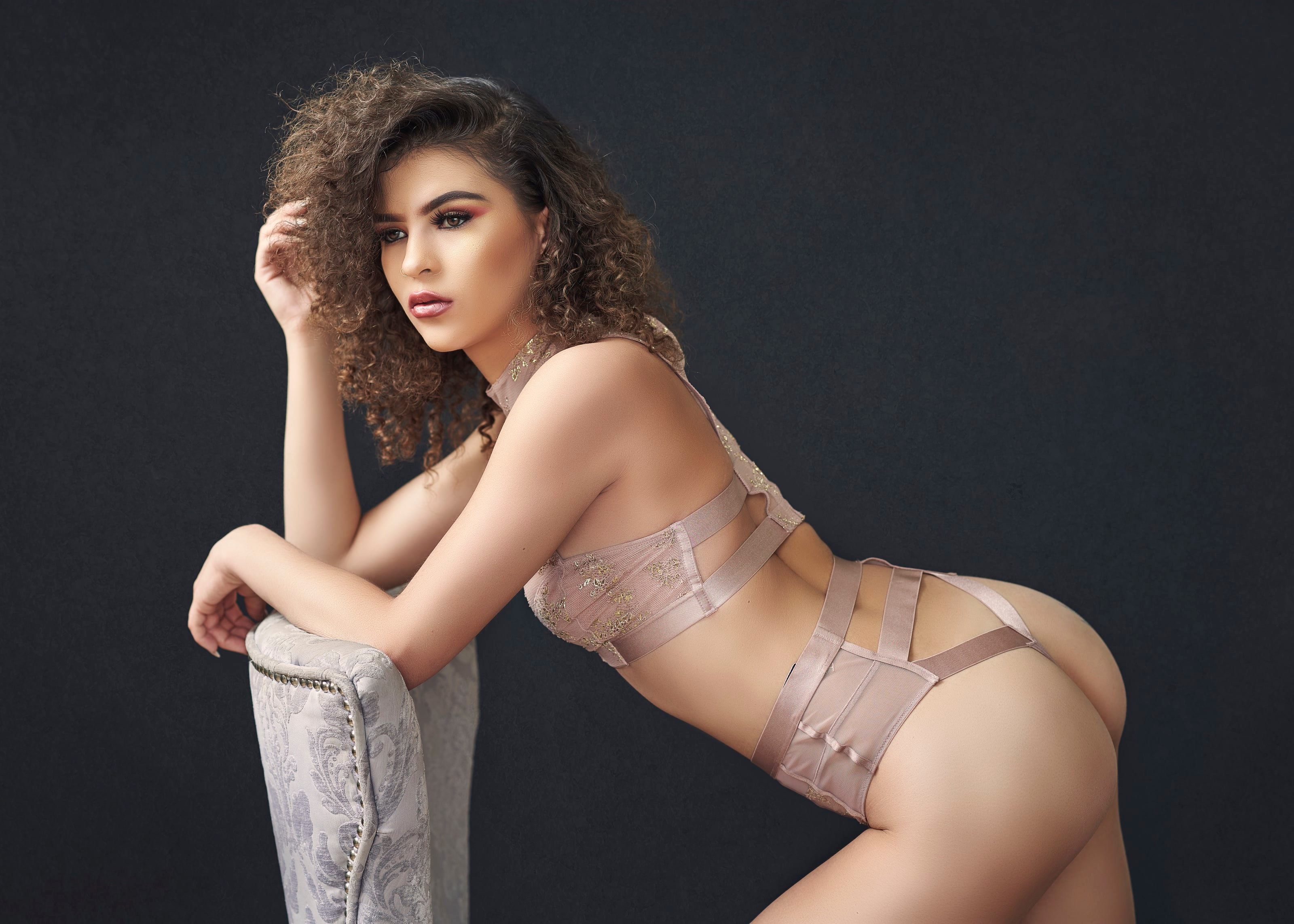
Most people assume booking a boudoir session works like booking a haircut. Look at a calendar, pick a Saturday, show up. That is not how this works, and the reason is not gatekeeping. It is that a boudoir session gets built for one specific person, and we cannot build it until we have talked to you.
Every session starts with a consultation. It happens before a date is held and before you have committed to anything. Here is what actually happens in it, and why it matters more than almost anything else you will do beforehand.
Why there is a consultation at all
A boudoir session is not something you take off a shelf. Two women can book the same session type, walk into the same McKinney studio, and leave with work that looks nothing alike, because the direction, the lighting, the wardrobe, and the coverage were all decided around them specifically.
That decision-making has to happen somewhere. If it happens on the morning of your session, you spend the first hour answering questions you have never thought about while a camera waits. If it happens on a call two weeks earlier, you arrive already knowing what the day looks like.
There is also the more honest reason. Most women who inquire have never done this before, and they are quietly deciding whether we are safe. A consultation is where you find that out without committing first. If we are not the right studio for you, a phone call is a much better place to learn that than the parking lot.
What we ask you
The questions are simpler than people expect.
What this is for. A wedding gift, a fortieth birthday, the end of a marriage, a year of work on your own body, or nothing in particular. There is no wrong answer, and "I just want to" is a complete one. But it changes things. A session that ends in an album for a partner gets built differently than a session that ends in a piece of wall art in your own hallway.
What you have seen that you liked, and what you have seen that you hated. The second question is more useful than the first. Most women arrive with a strong reaction to some style of boudoir they do not want, and naming it early is the fastest way to make sure we do not accidentally make it.
How much you want to show. We ask this directly, early, and without any weight on it, because the alternative is you turning it over privately for three weeks. Coverage is a dial, not a switch, and you set it. If you want the long version before the call, we wrote about how coverage levels actually work.
What you are nervous about. Almost everyone has something. Usually it is one specific part of the body. Sometimes it is the idea of being directed at all, sometimes it is a scar, a tattoo, or a recent surgery. Saying it out loud on a call is the entire point. It stops being the thing you are managing alone on the day.
Where you are driving from and what your schedule looks like. Practical, but it matters in DFW. A client coming in from Fort Worth on a weekday morning and a client ten minutes away in Frisco are planning two different days, especially once hair and makeup is in the picture.
What you should be asking us
A consultation runs in both directions, and the women who get the most out of it show up with questions. The ones worth asking any studio:
Who will actually be in the room. For us the answer is an all female team. It is a fair thing to confirm anywhere.
What happens to the images. Nothing is posted, shared, or shown to anyone without your written permission, and declining costs you nothing and changes nothing about the work. The full detail is in our piece on privacy and the image release.
How the editing works. Specifically, what gets changed by default and what does not. This is one of the real differences between studios and it deserves a direct answer rather than a reassuring one. Ours is here.
What the whole thing costs. Not just the session. The session fee and the artwork are two separate decisions, and you should understand both before you book anything. Current pricing lives on the investment page, and we walk through it on the call instead of making you piece it together.
What the day looks like start to finish. We will talk you through it, and the full version is on the experience page.
The part where wardrobe comes up
Wardrobe is the most common source of pre-session anxiety, and it is also the easiest thing to solve on a call. We talk through what you already own, what suits the style you are after, and what is actually worth buying. Sometimes the answer is a partner's white button-down and nothing else. Sometimes it is three pieces and one good bodysuit.
You do not need to have anything purchased before the consultation. That is backwards. The call sets the direction, then you shop with a plan instead of buying five things and hoping. If you want a head start, what to wear to a boudoir session is the piece we send most often.
Professional hair and makeup is available as an option, and we cover it on the call, including how it changes your arrival time. It is not folded into the session fee, so it stays a real choice rather than an assumption made for you.
What the consultation is not
It is not a sales appointment. Nobody is going to run a presentation at you or invent a deadline. If you finish the call and want to sit with it for two months, that is a completely normal outcome, and we would rather you book when you actually want to than when you feel pushed.
It is also not a test. There is no fitness level, no body type, and no amount of prior experience being photographed that you need to have first. If you have been waiting to be ready before making the call, that piece is worth reading.
And it is not the only chance to ask something. Questions keep coming up between the call and the session, which is fine and expected. The consultation is the start of the conversation, not a form you fill out once.
How the consultation changes the photos
This is the part that is hard to see until afterward. The session runs faster and looser when the thinking is already done. You are not deciding what kind of session you want while standing in front of a light. You decided two weeks ago. A classic boudoir session and a fine art boudoir session are lit and directed toward different ends, and knowing which one you are in before the day starts is most of the work.
It also handles nerves better than reassurance does. By the time you arrive, you have already talked to the person holding the camera, you know the room, and you know the sequence. That is a genuinely different experience than walking in cold, and we wrote about what those nerves actually feel like here.
If you are still comparing studios at this stage, the consultation is also your best evaluation tool. Our guide to choosing a boudoir photographer covers what to listen for.
What happens after
If it feels right, we hold a date. If it does not, nothing happens and you owe nothing. We photograph women from across the Metroplex at the McKinney studio, and the Dallas boudoir photographer page lays out the full range of what we do and where.
When you are ready to start that conversation, send us an inquiry and we will set up the consultation. It is a call, not a commitment.